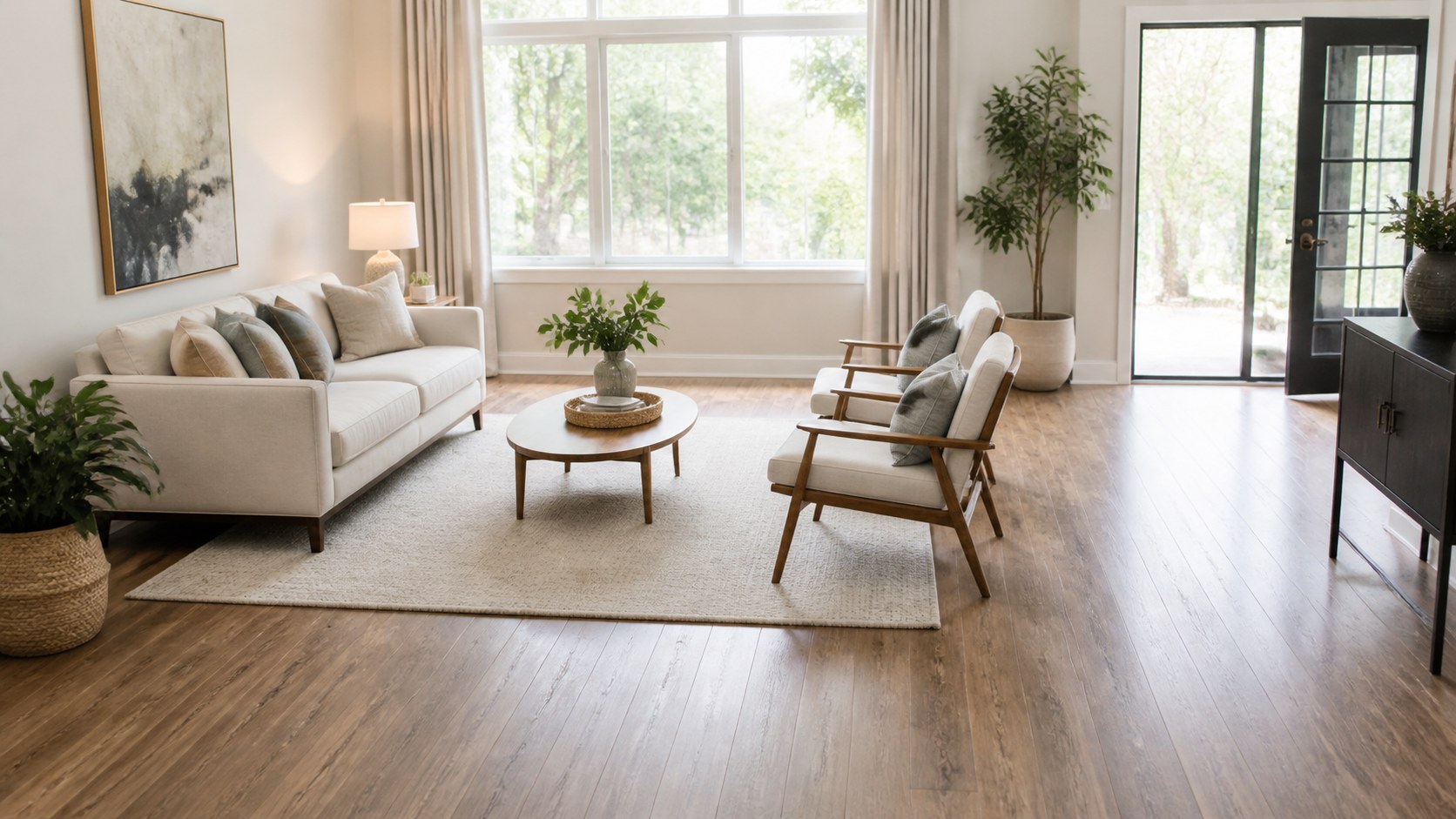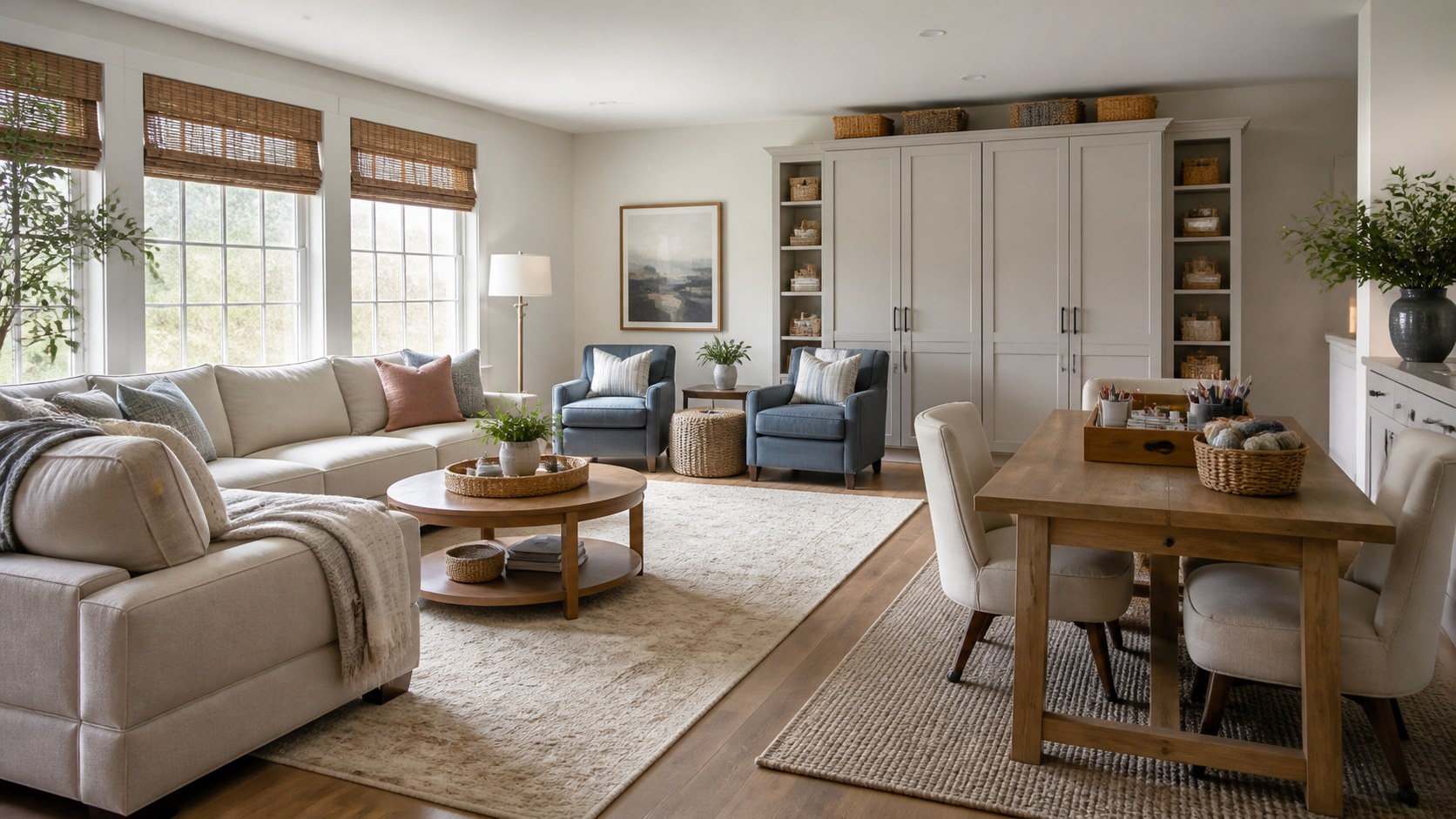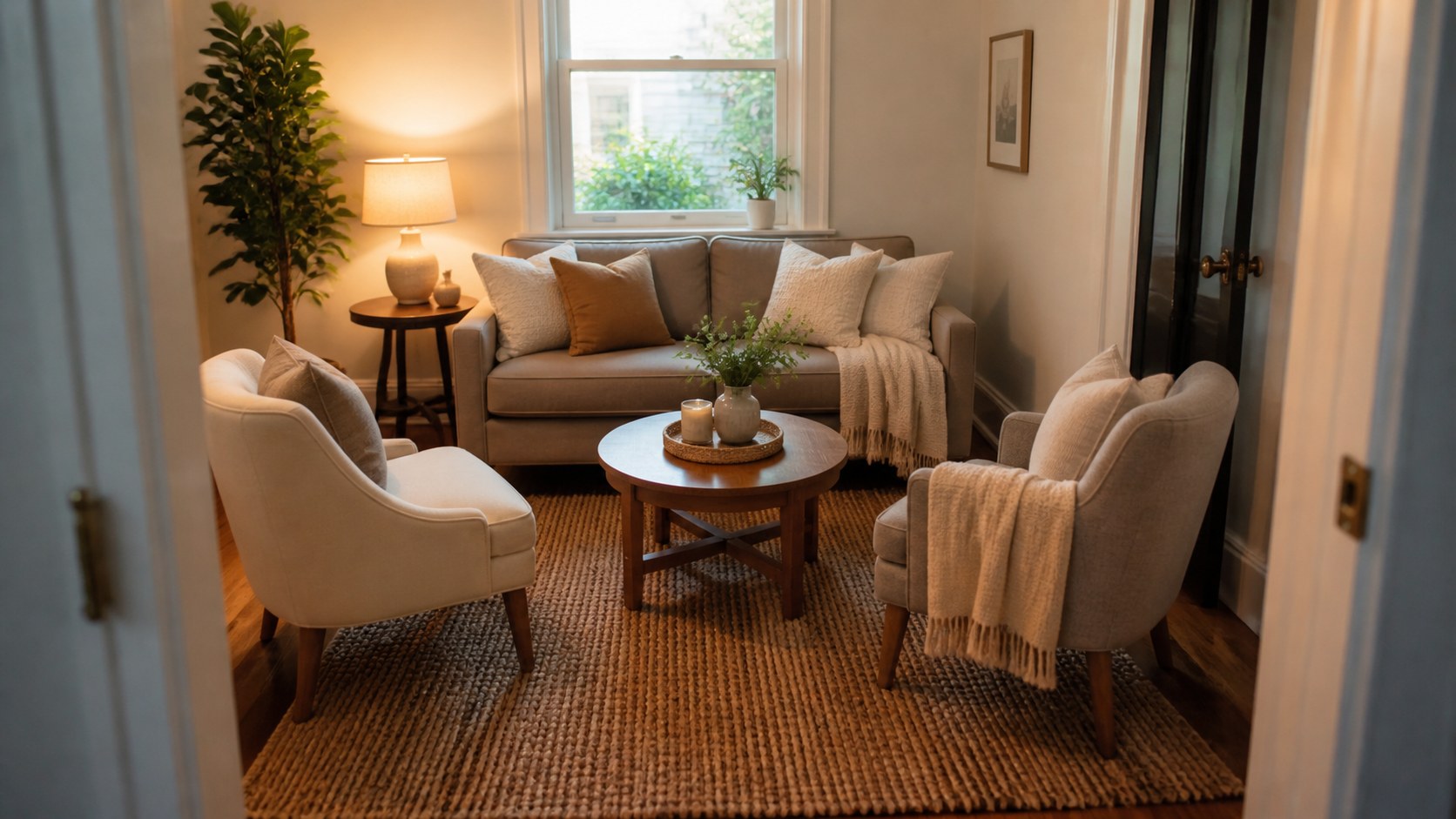
Best Conversation Seating Layouts for Small Living Rooms
Best Conversation Seating Layouts for Small Living Rooms starts with a practical question: what should feel easier when the room is finished? For this topic, the answer is compact sofas, petite chairs, round tables, and cozy small-room conversation circles. A successful room does not depend on a perfect showroom shape. It depends on clear decisions about where people move, where they sit, what they reach for, and how quickly the space can return to order after a normal day. The ideas below treat layout as a working system, so the room feels intentional, comfortable, and realistic.
A: Start with the daily pressure point, then place the largest piece where it solves that pressure without blocking the room.
A: The room should become easier to enter, use, reset, and enjoy without needing constant furniture adjustments.
A: Test the sofa or main seating piece first because every table, chair, lamp, and path reacts to it.
A: Yes. Placement, lighting, storage, rugs, and lighter furniture can change the room without renovation.
A: A seat, table, or storage piece that looks fine but interrupts movement or daily use is usually the warning sign.
A: Small rooms need fewer permanent pieces, clearer paths, and furniture that earns more than one purpose.
A: Function should lead, then style should make the practical choice feel intentional and finished.
A: Symmetry helps when the room needs calm, but asymmetry can feel more natural when doorways or windows are uneven.
A: Remove the item that blocks the clearest path or duplicates a job another piece already handles.
A: Review the layout whenever routines change, furniture arrives, or the room starts feeling harder to use.
Shrink The Pieces, Not The Comfort
Shrink The Pieces, Not The Comfort matters because compact sofas, petite chairs, round tables, and cozy small-room conversation circles changes how the living room behaves before any styling details are noticed. Start by looking at the room from the entry, then from the main seat, then from the place where people naturally pause. Those three views reveal blocked paths, lonely corners, overworked surfaces, and pieces that are attractive but not useful.
For best conversation seating layouts for small living rooms, the best adjustment is usually specific rather than dramatic. Move one chair closer, shift the table shape, add closed storage, soften the light, or give the most important seat a better relationship to the rest of the room. When the practical pieces begin supporting one another, the room feels more generous without needing to become larger. This kind of change is also easier to live with because it improves the room without making every habit feel newly complicated.
Small details can confirm whether the plan is working. A lamp should support the seat closest to it, a table should be reachable without stretching, and the clearest path should remain obvious after pillows, baskets, and everyday objects return. Those finishing checks keep compact sofas, petite chairs, round tables, and cozy small-room conversation circles from becoming only a design idea and turn it into a room people can use without thinking about the layout at all.
Use A Round Table To Soften Movement
Use A Round Table To Soften Movement matters because compact sofas, petite chairs, round tables, and cozy small-room conversation circles changes how the living room behaves before any styling details are noticed. Start by looking at the room from the entry, then from the main seat, then from the place where people naturally pause. Those three views reveal blocked paths, lonely corners, overworked surfaces, and pieces that are attractive but not useful.
For best conversation seating layouts for small living rooms, the best adjustment is usually specific rather than dramatic. Move one chair closer, shift the table shape, add closed storage, soften the light, or give the most important seat a better relationship to the rest of the room. When the practical pieces begin supporting one another, the room feels more generous without needing to become larger. This kind of change is also easier to live with because it improves the room without making every habit feel newly complicated.
Test this section with daily behavior, not just appearance. Walk through with a drink, sit down with a phone or book, imagine guests arriving, and notice whether the arrangement helps or interrupts that ordinary rhythm. A layout that survives those small tests will usually look calmer because it is doing its job.
Let Chairs Borrow Corners
Let Chairs Borrow Corners matters because compact sofas, petite chairs, round tables, and cozy small-room conversation circles changes how the living room behaves before any styling details are noticed. Start by looking at the room from the entry, then from the main seat, then from the place where people naturally pause. Those three views reveal blocked paths, lonely corners, overworked surfaces, and pieces that are attractive but not useful.
For best conversation seating layouts for small living rooms, the best adjustment is usually specific rather than dramatic. Move one chair closer, shift the table shape, add closed storage, soften the light, or give the most important seat a better relationship to the rest of the room. When the practical pieces begin supporting one another, the room feels more generous without needing to become larger. This kind of change is also easier to live with because it improves the room without making every habit feel newly complicated.
Small details can confirm whether the plan is working. A lamp should support the seat closest to it, a table should be reachable without stretching, and the clearest path should remain obvious after pillows, baskets, and everyday objects return. Those finishing checks keep compact sofas, petite chairs, round tables, and cozy small-room conversation circles from becoming only a design idea and turn it into a room people can use without thinking about the layout at all.
Keep The Sofa Simple
Keep The Sofa Simple matters because compact sofas, petite chairs, round tables, and cozy small-room conversation circles changes how the living room behaves before any styling details are noticed. Start by looking at the room from the entry, then from the main seat, then from the place where people naturally pause. Those three views reveal blocked paths, lonely corners, overworked surfaces, and pieces that are attractive but not useful.
For best conversation seating layouts for small living rooms, the best adjustment is usually specific rather than dramatic. Move one chair closer, shift the table shape, add closed storage, soften the light, or give the most important seat a better relationship to the rest of the room. When the practical pieces begin supporting one another, the room feels more generous without needing to become larger. This kind of change is also easier to live with because it improves the room without making every habit feel newly complicated.
Use Lighting To Pull People In
Use Lighting To Pull People In matters because compact sofas, petite chairs, round tables, and cozy small-room conversation circles changes how the living room behaves before any styling details are noticed. Start by looking at the room from the entry, then from the main seat, then from the place where people naturally pause. Those three views reveal blocked paths, lonely corners, overworked surfaces, and pieces that are attractive but not useful.
For best conversation seating layouts for small living rooms, the best adjustment is usually specific rather than dramatic. Move one chair closer, shift the table shape, add closed storage, soften the light, or give the most important seat a better relationship to the rest of the room. When the practical pieces begin supporting one another, the room feels more generous without needing to become larger. This kind of change is also easier to live with because it improves the room without making every habit feel newly complicated.
Test this section with daily behavior, not just appearance. Walk through with a drink, sit down with a phone or book, imagine guests arriving, and notice whether the arrangement helps or interrupts that ordinary rhythm. A layout that survives those small tests will usually look calmer because it is doing its job.
Avoid Overfilling The Rug
Avoid Overfilling The Rug matters because compact sofas, petite chairs, round tables, and cozy small-room conversation circles changes how the living room behaves before any styling details are noticed. Start by looking at the room from the entry, then from the main seat, then from the place where people naturally pause. Those three views reveal blocked paths, lonely corners, overworked surfaces, and pieces that are attractive but not useful.
For best conversation seating layouts for small living rooms, the best adjustment is usually specific rather than dramatic. Move one chair closer, shift the table shape, add closed storage, soften the light, or give the most important seat a better relationship to the rest of the room. When the practical pieces begin supporting one another, the room feels more generous without needing to become larger. This kind of change is also easier to live with because it improves the room without making every habit feel newly complicated.
Small details can confirm whether the plan is working. A lamp should support the seat closest to it, a table should be reachable without stretching, and the clearest path should remain obvious after pillows, baskets, and everyday objects return. Those finishing checks keep compact sofas, petite chairs, round tables, and cozy small-room conversation circles from becoming only a design idea and turn it into a room people can use without thinking about the layout at all.
Plan For Occasional Guests
Plan For Occasional Guests matters because compact sofas, petite chairs, round tables, and cozy small-room conversation circles changes how the living room behaves before any styling details are noticed. Start by looking at the room from the entry, then from the main seat, then from the place where people naturally pause. Those three views reveal blocked paths, lonely corners, overworked surfaces, and pieces that are attractive but not useful.
For best conversation seating layouts for small living rooms, the best adjustment is usually specific rather than dramatic. Move one chair closer, shift the table shape, add closed storage, soften the light, or give the most important seat a better relationship to the rest of the room. When the practical pieces begin supporting one another, the room feels more generous without needing to become larger. This kind of change is also easier to live with because it improves the room without making every habit feel newly complicated.
Test this section with daily behavior, not just appearance. Walk through with a drink, sit down with a phone or book, imagine guests arriving, and notice whether the arrangement helps or interrupts that ordinary rhythm. A layout that survives those small tests will usually look calmer because it is doing its job.
Make The Small Room Feel Intentional
Make The Small Room Feel Intentional matters because compact sofas, petite chairs, round tables, and cozy small-room conversation circles changes how the living room behaves before any styling details are noticed. Start by looking at the room from the entry, then from the main seat, then from the place where people naturally pause. Those three views reveal blocked paths, lonely corners, overworked surfaces, and pieces that are attractive but not useful.
For best conversation seating layouts for small living rooms, the best adjustment is usually specific rather than dramatic. Move one chair closer, shift the table shape, add closed storage, soften the light, or give the most important seat a better relationship to the rest of the room. When the practical pieces begin supporting one another, the room feels more generous without needing to become larger. This kind of change is also easier to live with because it improves the room without making every habit feel newly complicated.
Small details can confirm whether the plan is working. A lamp should support the seat closest to it, a table should be reachable without stretching, and the clearest path should remain obvious after pillows, baskets, and everyday objects return. Those finishing checks keep compact sofas, petite chairs, round tables, and cozy small-room conversation circles from becoming only a design idea and turn it into a room people can use without thinking about the layout at all.
Bring The Plan Back To Real Life
The final version of best conversation seating layouts for small living rooms should feel easy to live with, not overly engineered. Keep what makes the room more useful, remove what creates friction, and let style support the layout rather than cover up weak decisions. A practical room can still feel warm, polished, and personal when each piece has a reason to be there.
Take one last pass from the doorway before calling the plan finished. If the path is clear, the main seats feel inviting, the surfaces are reachable, and the room can reset quickly, the layout is ready for everyday use. That quiet ease is the real goal.