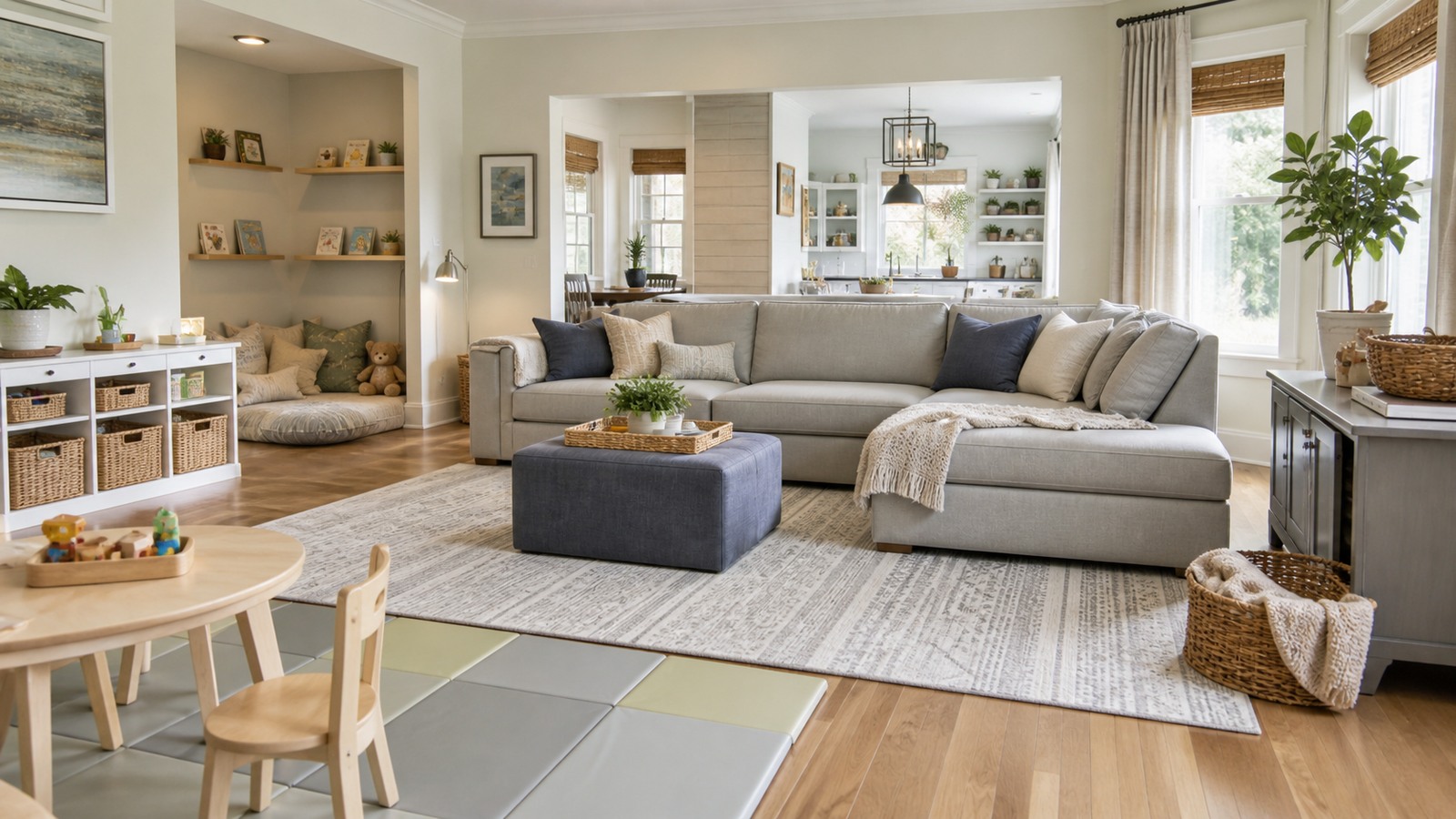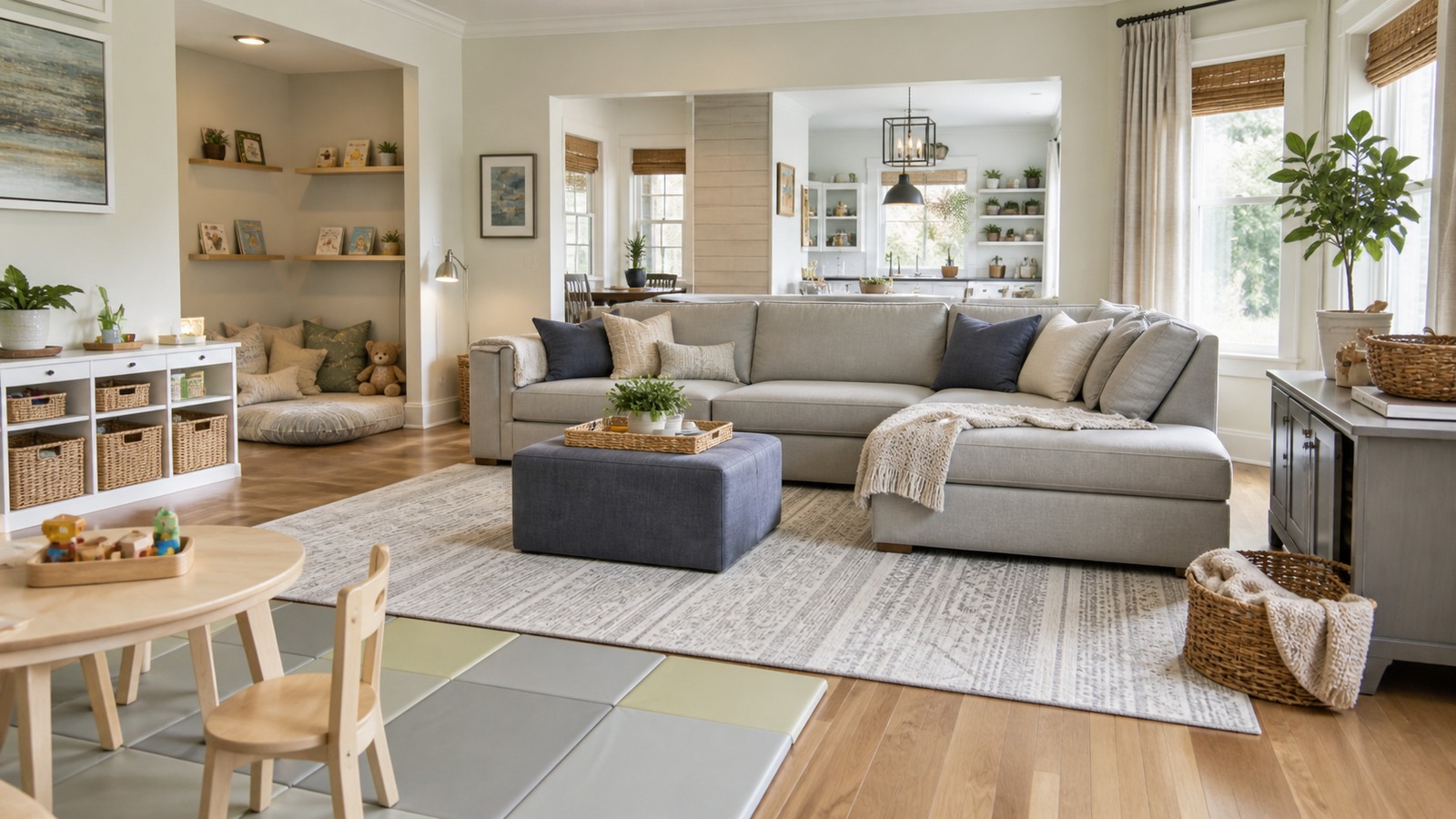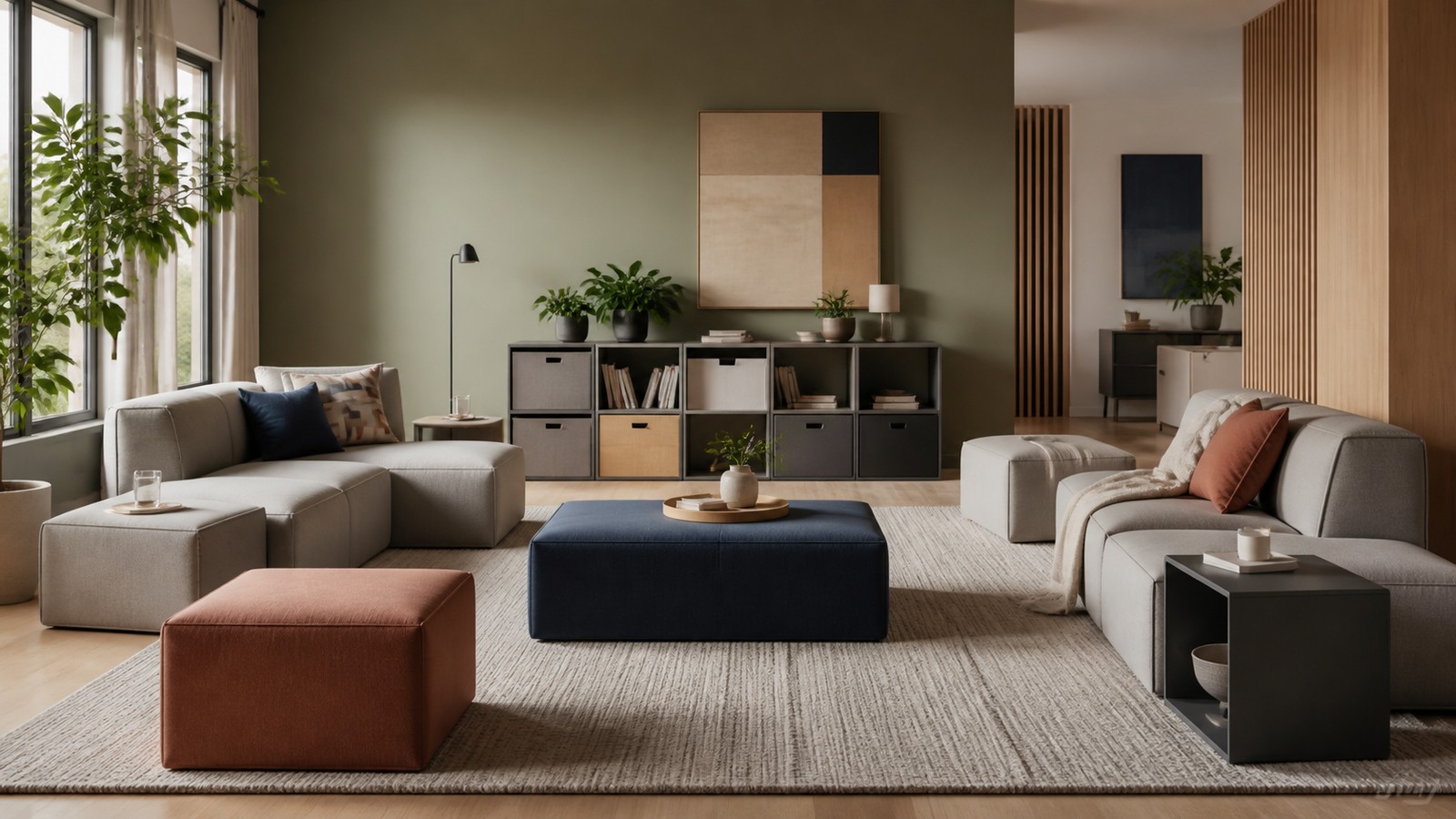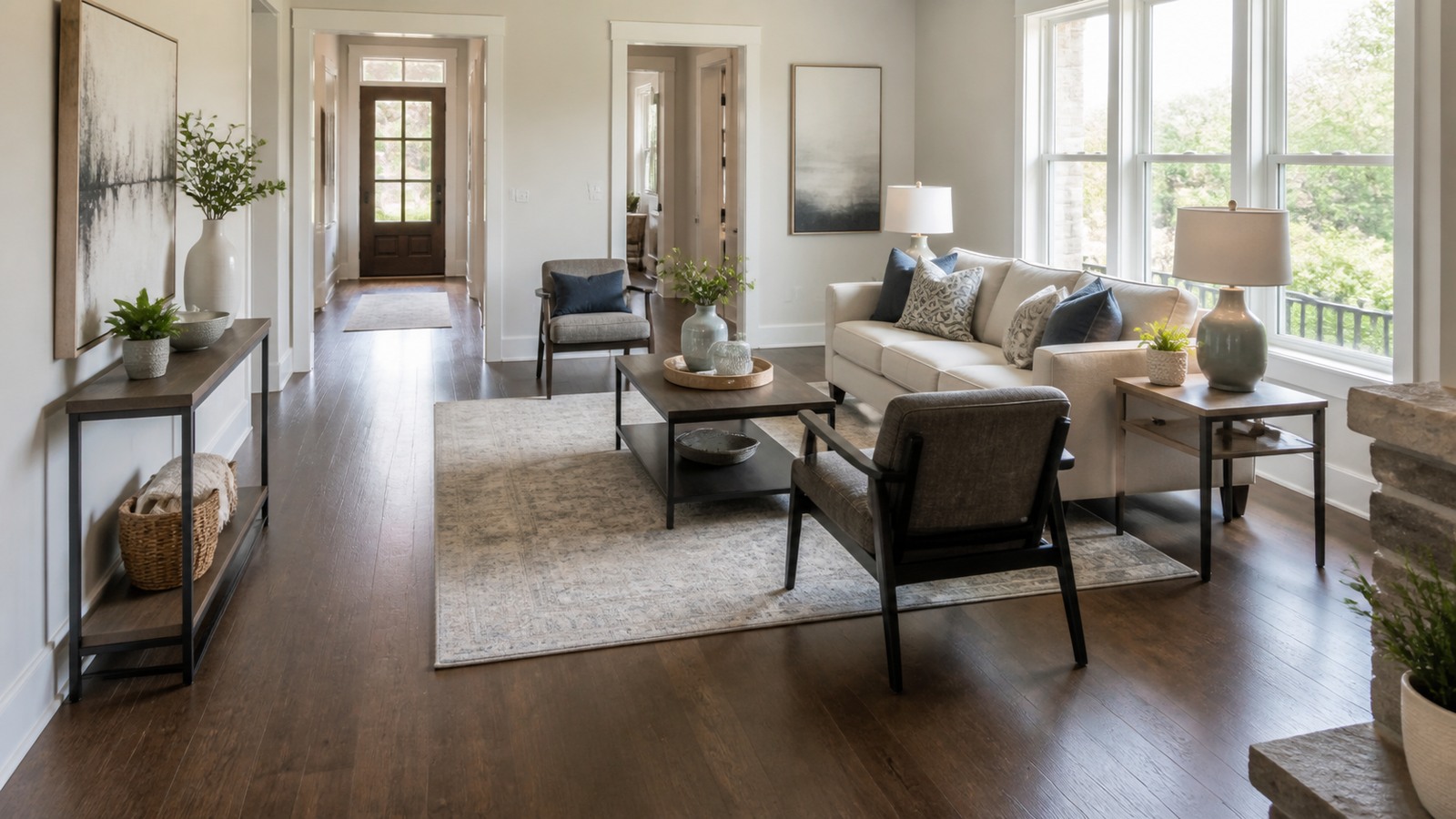
Pick Materials That Forgive Real Family Life
Best Furniture Materials for Families With Kids is easier to approach when the decision starts with the room instead of a showroom photograph. The right choice should support the way people sit, watch, read, talk, snack, stretch out, and move through the living room on an ordinary day. This guide looks at choosing family-friendly furniture materials for spills, crumbs, climbing, cleaning, sunlight, soft edges, and daily wear with a practical eye toward comfort, scale, material, placement, and long-term use. The aim is not to chase one perfect style, but to choose a piece that feels natural with the existing layout and keeps the room comfortable after the first week.
Start With the Messiest Moments
Start With the Messiest Moments matters because family-friendly materials decisions change how the living room feels at ordinary moments, not only when the room is freshly styled. For Best Furniture Materials for Families With Kids, the useful starting point is to compare the piece with the sofa wall, main walkway, lamp placement, nearby tables, and the people who use the seat most often. A choice that looks polished but interrupts reach, cleaning, or conversation will feel wrong quickly. Treat choosing family-friendly furniture materials for spills, crumbs, climbing, cleaning, sunlight, soft edges, and daily wear as one connected decision so size, comfort, material, and placement support the same daily routine.
Look at the room from the entrance and from the primary seat before judging the option in isolation. The best answer usually protects one clear path, gives every regular sitter a surface or light source, and leaves enough visual space for the room to breathe. When comparing choices, notice whether the piece helps the existing furniture feel calmer or makes every surrounding item work harder. This is where measurements, fabric samples, cushion feel, and delivery details become as important as color or silhouette.
Choose Upholstery for Cleaning
Choose Upholstery for Cleaning matters because family-friendly materials decisions change how the living room feels at ordinary moments, not only when the room is freshly styled. For Best Furniture Materials for Families With Kids, the useful starting point is to compare the piece with the sofa wall, main walkway, lamp placement, nearby tables, and the people who use the seat most often. A choice that looks polished but interrupts reach, cleaning, or conversation will feel wrong quickly. Treat choosing family-friendly furniture materials for spills, crumbs, climbing, cleaning, sunlight, soft edges, and daily wear as one connected decision so size, comfort, material, and placement support the same daily routine.
Look at the room from the entrance and from the primary seat before judging the option in isolation. The best answer usually protects one clear path, gives every regular sitter a surface or light source, and leaves enough visual space for the room to breathe. When comparing choices, notice whether the piece helps the existing furniture feel calmer or makes every surrounding item work harder. This is where measurements, fabric samples, cushion feel, and delivery details become as important as color or silhouette.
A practical test is to tape the footprint, walk the route, and imagine the piece during a normal evening rather than a perfect hosting moment. Ask whether someone can sit down easily, set a drink nearby, stretch or turn comfortably, and move through the room while another person remains seated. If the answer depends on shifting furniture every time, the plan is too fragile. A better option may be slightly simpler, but it will make the room easier to use every week.
Pick Wood Finishes That Hide Wear
Pick Wood Finishes That Hide Wear matters because family-friendly materials decisions change how the living room feels at ordinary moments, not only when the room is freshly styled. For Best Furniture Materials for Families With Kids, the useful starting point is to compare the piece with the sofa wall, main walkway, lamp placement, nearby tables, and the people who use the seat most often. A choice that looks polished but interrupts reach, cleaning, or conversation will feel wrong quickly. Treat choosing family-friendly furniture materials for spills, crumbs, climbing, cleaning, sunlight, soft edges, and daily wear as one connected decision so size, comfort, material, and placement support the same daily routine.
Look at the room from the entrance and from the primary seat before judging the option in isolation. The best answer usually protects one clear path, gives every regular sitter a surface or light source, and leaves enough visual space for the room to breathe. When comparing choices, notice whether the piece helps the existing furniture feel calmer or makes every surrounding item work harder. This is where measurements, fabric samples, cushion feel, and delivery details become as important as color or silhouette.
Use Washable Layers Strategically
Use Washable Layers Strategically matters because family-friendly materials decisions change how the living room feels at ordinary moments, not only when the room is freshly styled. For Best Furniture Materials for Families With Kids, the useful starting point is to compare the piece with the sofa wall, main walkway, lamp placement, nearby tables, and the people who use the seat most often. A choice that looks polished but interrupts reach, cleaning, or conversation will feel wrong quickly. Treat choosing family-friendly furniture materials for spills, crumbs, climbing, cleaning, sunlight, soft edges, and daily wear as one connected decision so size, comfort, material, and placement support the same daily routine.
Look at the room from the entrance and from the primary seat before judging the option in isolation. The best answer usually protects one clear path, gives every regular sitter a surface or light source, and leaves enough visual space for the room to breathe. When comparing choices, notice whether the piece helps the existing furniture feel calmer or makes every surrounding item work harder. This is where measurements, fabric samples, cushion feel, and delivery details become as important as color or silhouette.
A practical test is to tape the footprint, walk the route, and imagine the piece during a normal evening rather than a perfect hosting moment. Ask whether someone can sit down easily, set a drink nearby, stretch or turn comfortably, and move through the room while another person remains seated. If the answer depends on shifting furniture every time, the plan is too fragile. A better option may be slightly simpler, but it will make the room easier to use every week.
Check Corners Edges and Stability
Check Corners Edges and Stability matters because family-friendly materials decisions change how the living room feels at ordinary moments, not only when the room is freshly styled. For Best Furniture Materials for Families With Kids, the useful starting point is to compare the piece with the sofa wall, main walkway, lamp placement, nearby tables, and the people who use the seat most often. A choice that looks polished but interrupts reach, cleaning, or conversation will feel wrong quickly. Treat choosing family-friendly furniture materials for spills, crumbs, climbing, cleaning, sunlight, soft edges, and daily wear as one connected decision so size, comfort, material, and placement support the same daily routine.
Plan Around Snacks and Crafts
Plan Around Snacks and Crafts matters because family-friendly materials decisions change how the living room feels at ordinary moments, not only when the room is freshly styled. For Best Furniture Materials for Families With Kids, the useful starting point is to compare the piece with the sofa wall, main walkway, lamp placement, nearby tables, and the people who use the seat most often. A choice that looks polished but interrupts reach, cleaning, or conversation will feel wrong quickly. Treat choosing family-friendly furniture materials for spills, crumbs, climbing, cleaning, sunlight, soft edges, and daily wear as one connected decision so size, comfort, material, and placement support the same daily routine.
Look at the room from the entrance and from the primary seat before judging the option in isolation. The best answer usually protects one clear path, gives every regular sitter a surface or light source, and leaves enough visual space for the room to breathe. When comparing choices, notice whether the piece helps the existing furniture feel calmer or makes every surrounding item work harder. This is where measurements, fabric samples, cushion feel, and delivery details become as important as color or silhouette.
Balance Toughness With Comfort
Balance Toughness With Comfort matters because family-friendly materials decisions change how the living room feels at ordinary moments, not only when the room is freshly styled. For Best Furniture Materials for Families With Kids, the useful starting point is to compare the piece with the sofa wall, main walkway, lamp placement, nearby tables, and the people who use the seat most often. A choice that looks polished but interrupts reach, cleaning, or conversation will feel wrong quickly. Treat choosing family-friendly furniture materials for spills, crumbs, climbing, cleaning, sunlight, soft edges, and daily wear as one connected decision so size, comfort, material, and placement support the same daily routine.
Look at the room from the entrance and from the primary seat before judging the option in isolation. The best answer usually protects one clear path, gives every regular sitter a surface or light source, and leaves enough visual space for the room to breathe. When comparing choices, notice whether the piece helps the existing furniture feel calmer or makes every surrounding item work harder. This is where measurements, fabric samples, cushion feel, and delivery details become as important as color or silhouette.
A practical test is to tape the footprint, walk the route, and imagine the piece during a normal evening rather than a perfect hosting moment. Ask whether someone can sit down easily, set a drink nearby, stretch or turn comfortably, and move through the room while another person remains seated. If the answer depends on shifting furniture every time, the plan is too fragile. A better option may be slightly simpler, but it will make the room easier to use every week.
Avoid Materials That Create Stress
Avoid Materials That Create Stress matters because family-friendly materials decisions change how the living room feels at ordinary moments, not only when the room is freshly styled. For Best Furniture Materials for Families With Kids, the useful starting point is to compare the piece with the sofa wall, main walkway, lamp placement, nearby tables, and the people who use the seat most often. A choice that looks polished but interrupts reach, cleaning, or conversation will feel wrong quickly. Treat choosing family-friendly furniture materials for spills, crumbs, climbing, cleaning, sunlight, soft edges, and daily wear as one connected decision so size, comfort, material, and placement support the same daily routine.
Look at the room from the entrance and from the primary seat before judging the option in isolation. The best answer usually protects one clear path, gives every regular sitter a surface or light source, and leaves enough visual space for the room to breathe. When comparing choices, notice whether the piece helps the existing furniture feel calmer or makes every surrounding item work harder. This is where measurements, fabric samples, cushion feel, and delivery details become as important as color or silhouette.