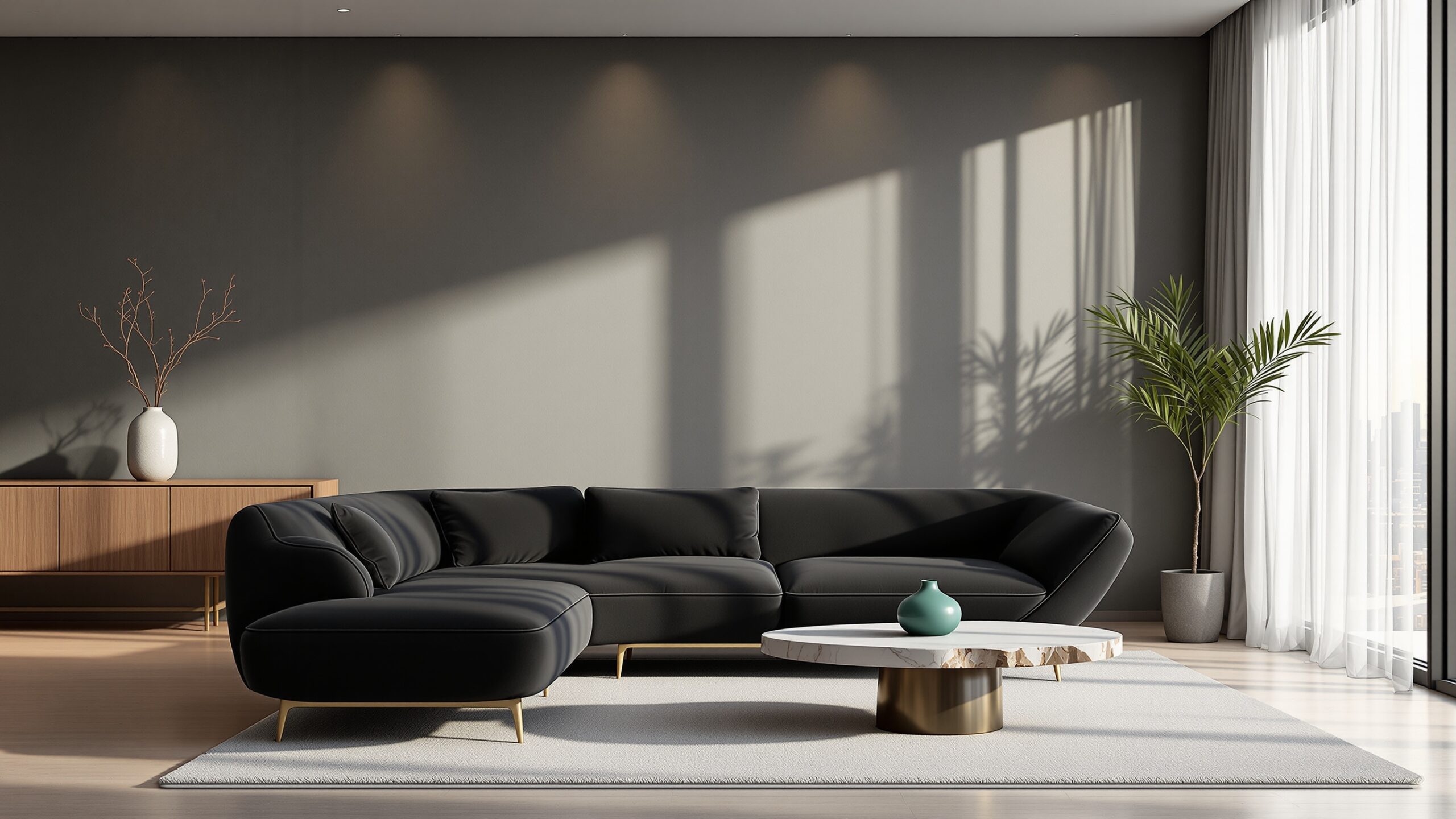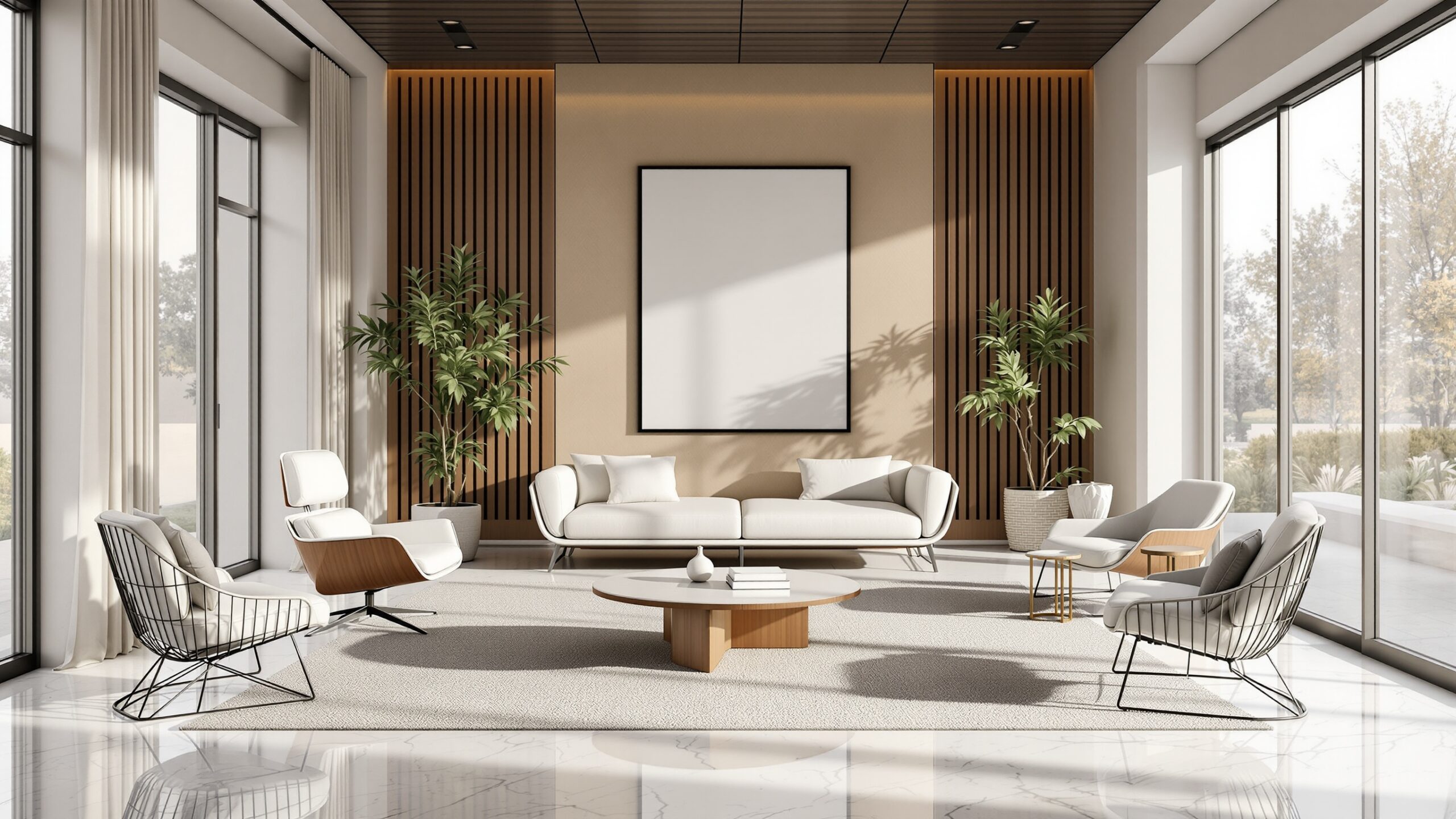
There are few objects in the world of interior design that balance art and function as effortlessly as a truly iconic chair. While trends in furniture come and go—colors shift, materials evolve, and aesthetics cycle through decades—a handful of designer chairs have achieved something far more rare: timelessness. These pieces transcend fashion. They are instantly recognizable, endlessly adaptable, and deeply influential in shaping how we think about comfort, craftsmanship, and style. An iconic designer chair is never just a place to sit. It becomes a focal point, a conversation starter, and often the emotional anchor of a room. Whether positioned beside a fireplace, placed at the head of a dining table, or showcased as a standalone statement piece, these chairs embody a perfect union of innovation, beauty, and usability. Their designs reflect cultural moments, technological breakthroughs, and the personal philosophies of visionary creators. In today’s modern homes—where minimalism meets personality and function meets storytelling—these chairs remain more relevant than ever. They offer a sense of permanence in a fast-moving world, reminding us that great design doesn’t age; it evolves.
A: They can be, especially when the design, comfort, craftsmanship, and long-term style appeal all hold up over time.
A: Yes, especially open-frame or visually light designs that make a statement without adding bulk.
A: Vintage offers character and collector appeal, while new versions usually provide easier sourcing and more predictable condition.
A: No, but they should connect through scale, tone, texture, or overall design mood.
A: Quality leather, solid wood, cane, and well-finished metal often age beautifully with proper care.
A: Strong proportions, lasting materials, comfort, and a silhouette that still feels relevant across changing trends.
A: They can offer the look for less, but quality, proportions, durability, and finish often vary widely.
A: Corners, reading nooks, bedrooms, and living room edges are all great spots where the shape can be appreciated.
A: Absolutely—an iconic chair can introduce personality, texture, and a focal point all at once.
A: Black, tan, cream, walnut, and natural wood tones are usually the easiest to live with long term.
What Makes a Chair Truly Iconic?
Before diving into specific examples, it’s worth understanding what elevates a chair from well-designed to iconic. The distinction lies in a combination of factors that go beyond aesthetics alone. First, there is innovation. Many iconic chairs introduced new materials or construction techniques that changed the design landscape. Bent plywood, molded plastic, tubular steel—these weren’t just stylistic choices; they were revolutions.
Second, there is a clarity of vision. Iconic chairs often reflect a singular design philosophy. Whether rooted in modernism’s “form follows function” ethos or in sculptural experimentation, these pieces feel intentional and complete. Nothing is arbitrary.
Third, there is longevity. A chair that remains in production—or continues to be replicated and referenced decades after its debut—has proven its staying power. It resonates across generations, fitting seamlessly into different interiors without losing its identity.
Finally, there is emotional connection. The best chairs don’t just look good; they feel right. They invite you in, hold you comfortably, and become part of your daily life.
The Eames Lounge Chair: Comfort Meets Modern Luxury
Few pieces capture the essence of mid-century modern design like the Eames Lounge Chair. Designed in 1956 by Charles and Ray Eames, this chair redefined what luxury seating could look and feel like. Inspired by the warmth of a well-worn baseball glove, the chair combines molded plywood with supple leather upholstery, creating a silhouette that is both structured and inviting. What makes the Eames Lounge Chair so enduring is its balance. It feels sophisticated without being intimidating, modern without being cold. It has found a place in executive offices, cozy living rooms, and design museums alike. More importantly, it continues to represent a philosophy that prioritizes both comfort and craftsmanship. Even decades after its introduction, the Eames Lounge Chair remains a benchmark for what a modern lounge chair should be. It is not merely a piece of furniture; it is an experience.
The Barcelona Chair: Minimalism with Monumental Impact
Designed by Ludwig Mies van der Rohe and Lilly Reich for the 1929 International Exposition in Barcelona, the Barcelona Chair stands as a symbol of modernist elegance. With its sleek stainless steel frame and tufted leather cushions, the chair embodies the principle of “less is more” while still exuding undeniable luxury.
The design is deceptively simple. Clean lines and open space define its structure, yet every detail is meticulously considered. The proportions, the curvature of the frame, and the precision of the upholstery all contribute to its iconic status.
What sets the Barcelona Chair apart is its ability to command attention without overwhelming a space. It doesn’t rely on bold colors or intricate patterns. Instead, it uses form, material, and proportion to create a presence that feels both refined and powerful.
The Egg Chair: Sculptural Comfort
Arne Jacobsen’s Egg Chair, designed in 1958 for the SAS Royal Hotel in Copenhagen, is a masterpiece of organic form. Unlike the rigid geometries of many modernist designs, the Egg Chair embraces curves, wrapping around the sitter in a cocoon-like shape that offers both privacy and comfort.
This chair represents a shift toward more human-centered design. It acknowledges the need for personal space within public environments, making it particularly well-suited for lounges and open-plan interiors. Its sculptural quality also makes it a striking visual centerpiece, even when not in use.
The Egg Chair’s timeless appeal lies in its ability to feel both futuristic and familiar. Its form is bold, yet its comfort is deeply intuitive.
The Wishbone Chair: Simplicity and Craftsmanship
Hans J. Wegner’s Wishbone Chair, also known as the CH24, is a celebration of craftsmanship and understated beauty. Introduced in 1949, the chair features a distinctive Y-shaped backrest that provides both support and visual interest. Its hand-woven paper cord seat adds texture and warmth, emphasizing the importance of traditional techniques.
The Wishbone Chair exemplifies the idea that simplicity can be powerful. There are no unnecessary embellishments, no excess. Every element serves a purpose, resulting in a design that feels both light and enduring.
This chair has become a staple in dining rooms around the world, proving that timeless design doesn’t have to be extravagant. Sometimes, the most iconic pieces are the ones that quietly elevate everyday life.
The Panton Chair: A Bold Leap into the Future
When Verner Panton introduced the Panton Chair in the 1960s, it was unlike anything the world had seen. Made from a single piece of molded plastic, the chair’s fluid, S-shaped form challenged traditional notions of what a chair could be. The Panton Chair is a testament to the possibilities of new materials and manufacturing techniques. It represents a moment when design embraced experimentation and embraced the future with open arms. Despite its boldness, the chair has proven remarkably adaptable. It fits just as comfortably in a modern minimalist home as it does in a playful, eclectic space. Its vibrant colors and sculptural form make it both functional and expressive.
The LC2 Chair: Industrial Elegance
Le Corbusier’s LC2 Chair, designed in collaboration with Pierre Jeanneret and Charlotte Perriand, is a cornerstone of modernist design. Often described as a “machine for sitting,” the chair features a tubular steel frame that encases plush cushions, creating a striking contrast between structure and softness.
The LC2 Chair reflects a broader movement toward industrial materials and rational design. It strips away unnecessary ornamentation, focusing instead on clarity and function. Yet, it never feels cold. The cushions invite relaxation, while the frame provides a sense of order and precision.
This balance between industrial and human elements is what makes the LC2 Chair timeless. It continues to resonate in contemporary interiors, where clean lines and comfort coexist.
The Shell Chair: Organic Modernism
Another masterpiece by Hans J. Wegner, the Shell Chair is a bold exploration of form and balance. With its three-legged base and curved plywood seat, the chair appears almost weightless, as if it is floating in space.
The design challenges conventional expectations while remaining deeply functional. Its wide seat and gentle curves provide comfort, while its sculptural presence makes it a standout piece in any room.
The Shell Chair is a reminder that innovation doesn’t have to sacrifice usability. It proves that daring design can still feel approachable and livable.
The Tolix Chair: Industrial Chic
Originally designed by Xavier Pauchard in the 1930s, the Tolix Chair has become synonymous with industrial style. Made from galvanized steel, the chair was initially created for outdoor use, offering durability and stackability. Over time, it found its way into cafes, kitchens, and modern homes, where its utilitarian aesthetic became a defining feature. The Tolix Chair’s appeal lies in its authenticity. It doesn’t pretend to be anything other than what it is—a robust, practical piece of furniture with a distinct character. Its enduring popularity highlights the growing appreciation for raw materials and honest design.
How to Style Iconic Chairs in Modern Interiors
Incorporating iconic designer chairs into a contemporary space is both an art and a strategy. These pieces are inherently versatile, but their impact depends on how they are positioned and paired with other elements.
One approach is to let the chair stand alone as a statement piece. Placing an Eames Lounge Chair in a quiet corner with a floor lamp and a small side table can create an intimate reading nook that feels both luxurious and inviting. Similarly, a Barcelona Chair can anchor a minimalist living room, adding depth without clutter.
Another approach is to mix and match styles. Pairing a Wishbone Chair with a modern dining table or placing a Panton Chair in a traditional setting can create a dynamic contrast that feels fresh and unexpected.
Color and material also play a crucial role. Neutral tones emphasize form and texture, while bold colors highlight the chair’s sculptural qualities. The key is to maintain balance, ensuring that the chair enhances the space rather than overwhelming it.
Why Iconic Chairs Continue to Matter
In a world increasingly dominated by fast furniture and disposable design, iconic chairs serve as a counterpoint. They remind us of the value of quality, intention, and longevity. Investing in a well-designed chair is not just a purchase; it is a commitment to enduring style. These chairs also connect us to design history. They tell stories of innovation, collaboration, and cultural change. Owning one is like owning a piece of that narrative, a tangible link to the ideas and movements that shaped modern living. Moreover, iconic chairs offer a sense of stability. As trends shift and tastes evolve, these pieces remain constant, adapting to new contexts without losing their identity.
The Future of Timeless Design
While the chairs discussed here have already secured their place in design history, the concept of timelessness continues to evolve. Today’s designers are exploring new materials, sustainable practices, and digital technologies, all while drawing inspiration from the past.
The next generation of iconic chairs will likely reflect these priorities, combining environmental responsibility with innovative aesthetics. Yet, the core principles will remain the same: clarity of vision, quality of craftsmanship, and a deep understanding of human needs.
In this way, timeless design is not about resisting change but embracing it thoughtfully. It is about creating objects that can adapt, endure, and inspire.
A Seat That Tells a Story
An iconic designer chair is more than just furniture. It is a statement of values, a reflection of creativity, and a testament to the power of thoughtful design. Whether you are furnishing a new home or refining an existing space, these chairs offer a way to bring depth, character, and authenticity into your environment.
They remind us that the objects we choose to live with matter. They shape our experiences, influence our moods, and define our spaces. And when those objects are crafted with care and vision, they become more than functional—they become unforgettable.
In the end, the true beauty of an iconic chair lies not just in how it looks, but in how it lives with you.