A living room is more than a place to sit—it’s a visual story about who you are, what you value, and how you experience comfort. At the heart of that story sits the centerpiece. A well-chosen statement centerpiece has the power to elevate a room from ordinary to unforgettable, transforming even the simplest layout into something that feels curated, intentional, and undeniably designer-level. Whether it’s a sculptural coffee table, an oversized vase, or a bold art installation, the right focal point anchors your space and sets the tone for everything around it. In modern interior design, statement centerpieces are no longer optional accents—they are defining elements. They act as visual magnets, guiding the eye and creating a sense of cohesion. When chosen thoughtfully, they bring balance, drama, and personality into a room, turning everyday spaces into environments that feel polished and editorial.
A: Strong scale, thoughtful layering, quality materials, and a clear connection to the room’s style.
A: Not always, but it should feel visually important enough to anchor the space.
A: Trays, books, bowls, candles, florals, and sculptural decor are all classic designer choices.
A: Usually three to five elements work well, depending on the size of the table.
A: Yes, just choose durable pieces and avoid overly delicate or sharp-edged objects.
A: Use fewer, larger items and give each object enough breathing room.
A: They do not need to match perfectly, but they should echo the room’s palette, texture, or mood.
A: Yes, candles add warmth, height variation, and a polished layered feel.
A: Choose one or two refined statement pieces rather than many smaller objects.
A: A seasonal refresh or occasional swap of florals, books, or accents keeps the room feeling current.
The Power of a Focal Point
Every designer understands the importance of a focal point. It’s the first thing you notice when you enter a room, and it subtly influences how you perceive everything else. Without a clear centerpiece, a living room can feel scattered or incomplete. With one, it instantly gains structure and purpose.
A statement centerpiece works because it establishes hierarchy. It tells the eye where to land first, then allows other elements—sofas, rugs, lighting, and décor—to support that main attraction. This layered visual approach is what gives designer spaces their signature depth. The focal point doesn’t need to be loud in color or size, but it must be intentional and distinctive enough to command attention.
Sculptural Coffee Tables as Artistic Anchors
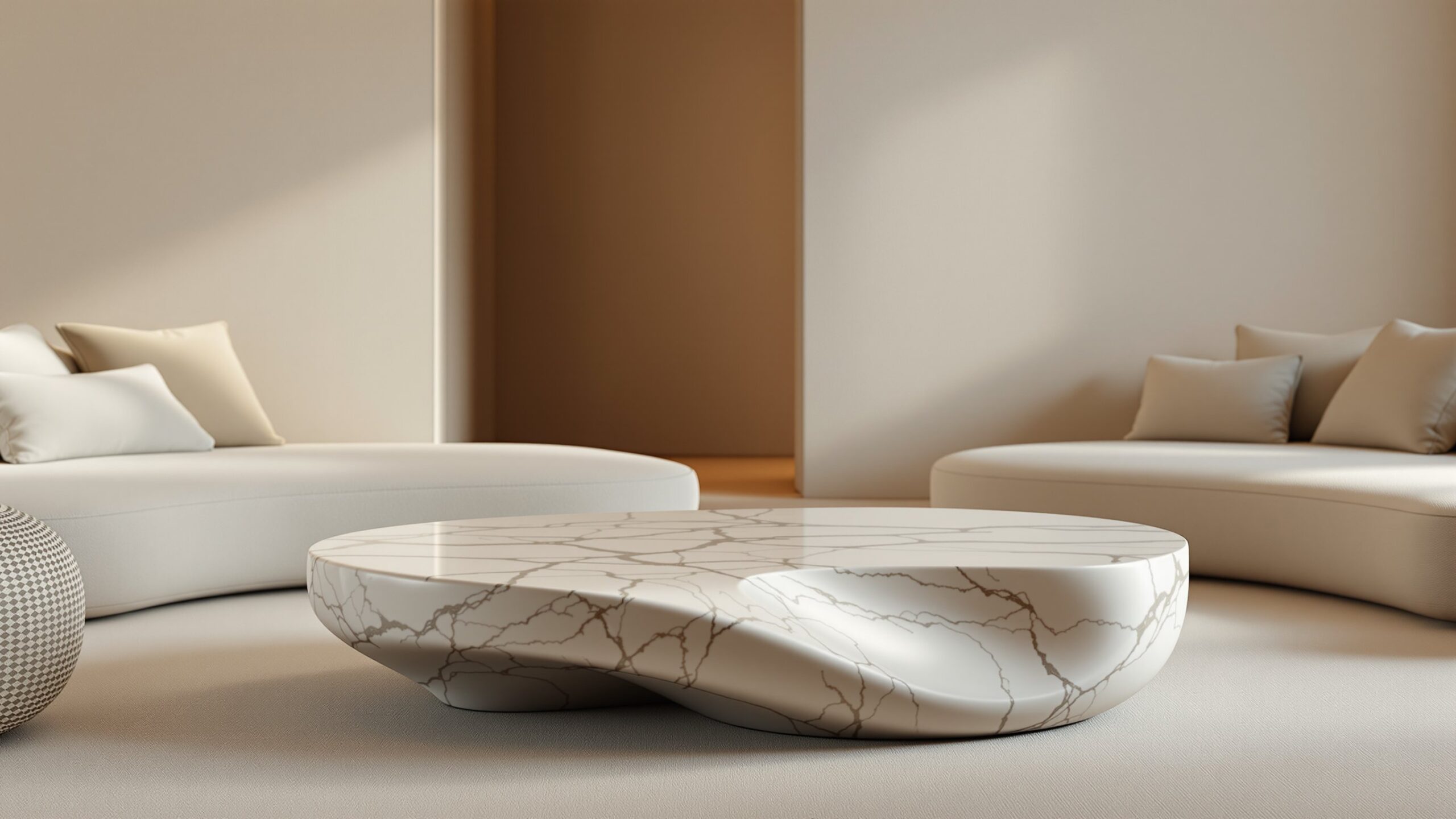
One of the most impactful ways to introduce a statement centerpiece is through a sculptural coffee table. These pieces blur the line between furniture and art, offering both functionality and visual intrigue. Think curved silhouettes, unexpected materials, and bold forms that feel like they belong in a gallery.
A marble slab table with organic edges can create a sense of timeless luxury, while a glass table with a geometric base introduces lightness and modernity. Wood tables with hand-carved textures bring warmth and craftsmanship into the room. The key is choosing a piece that feels unique enough to stand on its own, yet versatile enough to complement your seating arrangement.
When styled with restraint—perhaps a single decorative object or a stack of books—a sculptural coffee table becomes a quiet yet powerful statement. It doesn’t compete for attention; it earns it.
Oversized Vases and Organic Arrangements
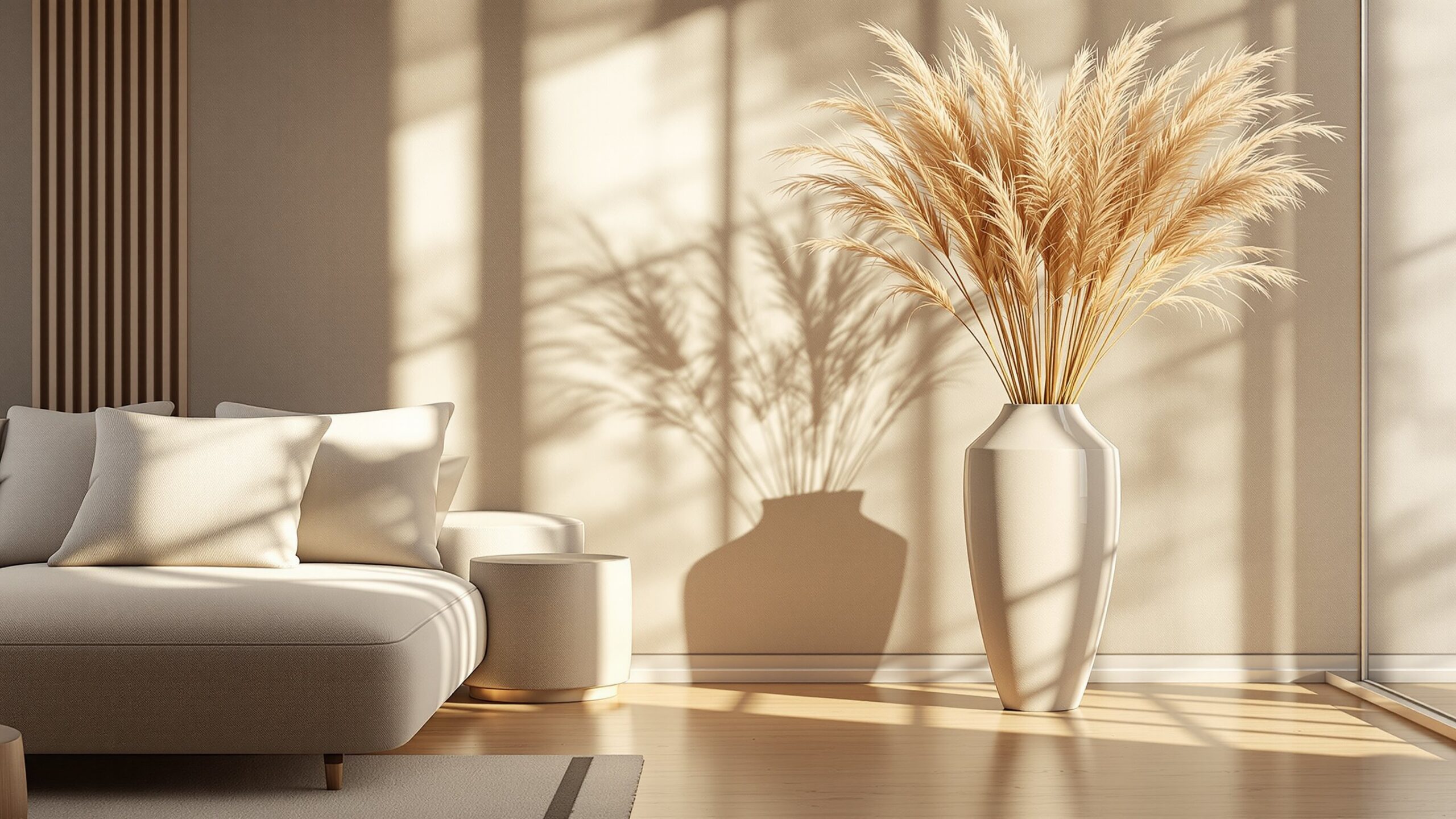
Oversized vases have become a staple in designer interiors for good reason. They introduce scale, texture, and a sense of natural movement that softens structured spaces. Whether placed on a coffee table, console, or directly on the floor, a large vase filled with branches, pampas grass, or fresh greenery instantly elevates the room.
The beauty of oversized vases lies in their versatility. A matte ceramic piece in a neutral tone creates a calm, minimalist aesthetic, while a glossy or sculptural vase adds a layer of artistic flair. The arrangement inside matters just as much as the vessel itself. Loose, asymmetrical branches feel modern and effortless, while fuller arrangements bring a sense of abundance and drama.
These centerpieces are particularly effective because they connect the indoors with the outdoors. They add life, movement, and an organic element that balances more rigid furniture lines.
Statement Lighting as a Centerpiece
Lighting is often overlooked as a centerpiece, yet it has the potential to transform a living room in dramatic ways. A bold chandelier, an oversized pendant, or a sculptural floor lamp can act as both a functional necessity and a design statement.
In contemporary spaces, lighting fixtures are increasingly treated as art installations. A cascading chandelier with layered glass elements can create a sense of luxury, while a minimalist pendant with clean lines offers a more understated elegance. Floor lamps with exaggerated proportions or unique silhouettes can anchor a seating area and add vertical interest.
The key to using lighting as a centerpiece is placement. It should feel integrated into the room’s layout while still standing out. When done right, it not only illuminates the space but also defines it.
Art Pieces That Command Attention
Nothing says “designer living room” quite like a bold piece of art. Whether it’s a large-scale painting, a textured wall installation, or a striking photograph, art has the ability to instantly elevate a space and give it personality.
A single oversized artwork can serve as the room’s primary centerpiece, especially when placed above a sofa or fireplace. Abstract pieces with bold brushstrokes add energy, while monochromatic works create a sense of sophistication. Textured art, such as woven panels or sculptural wall pieces, introduces depth and tactile interest.
Art as a centerpiece works best when it feels intentional rather than cluttered. Instead of filling walls with multiple smaller pieces, choosing one or two impactful works creates a more curated and refined look.
Layered Centerpieces for Depth and Dimension
Designer spaces rarely rely on a single element alone. Instead, they embrace layering to create richness and complexity. A layered centerpiece might include a coffee table styled with a tray, books, a candle, and a small decorative object, all arranged in a way that feels balanced yet effortless.
The secret to successful layering is variation. Mixing heights, textures, and materials prevents the arrangement from feeling flat. A stack of books adds structure, a candle introduces warmth, and a sculptural object brings personality. Together, they form a cohesive composition that feels both intentional and lived-in.
Negative space is just as important as the objects themselves. Leaving room for the eye to rest ensures that the centerpiece remains visually appealing rather than overwhelming.
Natural Materials for Timeless Appeal
Incorporating natural materials into your centerpiece is one of the most effective ways to achieve a designer look. Materials like stone, wood, clay, and glass bring authenticity and warmth to a space, making it feel grounded and inviting.
A raw wood slab, for example, can serve as a striking centerpiece that highlights organic beauty. Stone elements, such as marble or travertine, introduce a sense of luxury and permanence. Glass adds lightness and transparency, allowing other elements to shine.
These materials not only look beautiful but also age gracefully. Over time, they develop character, adding to the overall story of your space.
Color and Contrast as Design Tools
A statement centerpiece is an opportunity to introduce color and contrast into your living room. While many designer spaces lean toward neutral palettes, a bold centerpiece can provide a refreshing focal point that energizes the room.
This might take the form of a vibrant vase, a richly colored piece of art, or a uniquely finished coffee table. The key is balance. The centerpiece should stand out without clashing with the surrounding elements. Contrast can also be achieved through texture and finish. Pairing matte and glossy surfaces, smooth and rough materials, or light and dark tones creates visual interest and depth.
Scale and Proportion Matter
One of the defining characteristics of a designer space is the careful consideration of scale and proportion. A centerpiece that is too small can feel insignificant, while one that is too large can overwhelm the room.
The goal is to find a piece that feels appropriately sized for your space. In larger living rooms, oversized centerpieces can create a sense of grandeur. In smaller spaces, a well-proportioned piece can still make a strong impact without dominating the room.
Understanding the relationship between your centerpiece and surrounding furniture is essential. It should complement, not compete with, the rest of the room.
Mixing Styles for a Curated Look
Designer living rooms often feel collected rather than coordinated. Mixing different styles—modern, vintage, rustic, or industrial—can create a more dynamic and personalized space.
A contemporary coffee table paired with a vintage decorative object, for example, adds depth and character. A sleek vase filled with wild, natural branches creates an interesting contrast between refinement and raw beauty.
The key is cohesion. While mixing styles, there should be a common thread—whether it’s color, material, or overall tone—that ties everything together.
Seasonal Centerpiece Transformations
One of the advantages of statement centerpieces is their adaptability. With a few simple changes, you can refresh your living room to reflect different seasons or moods. In the warmer months, lighter materials and fresh greenery can create an airy, vibrant feel. In cooler seasons, richer textures, deeper colors, and warm lighting can make the space feel cozy and inviting. This flexibility allows your living room to evolve throughout the year without requiring a complete redesign.
The Role of Negative Space
A common mistake in decorating is overfilling a space. Designer interiors, however, understand the value of restraint. Negative space allows a centerpiece to breathe and ensures that it remains the focal point. By keeping surrounding areas relatively uncluttered, you draw attention to the centerpiece and enhance its impact. This approach creates a sense of calm and sophistication, making the room feel more intentional and refined.
Personal Expression Through Design
Ultimately, a statement centerpiece is an opportunity for self-expression. It’s a chance to showcase your taste, interests, and personality in a way that feels authentic. Whether it’s a handcrafted piece, a travel find, or a work of art that resonates with you, the most effective centerpieces are those that tell a story. They make your living room feel unique and memorable, rather than generic or staged.
Bringing It All Together
Creating a designer living room doesn’t require a complete overhaul. Often, it’s the addition of a single, thoughtfully chosen centerpiece that transforms the space. By focusing on elements like scale, material, and composition, you can achieve a look that feels elevated and cohesive.
A statement centerpiece acts as the anchor of your design, guiding every other choice you make. It sets the tone, establishes balance, and creates a visual narrative that ties the room together. When done right, it doesn’t just enhance your living room—it redefines it.
In a world where design trends are constantly evolving, the power of a well-chosen centerpiece remains timeless. It’s the detail that turns a house into a home, and a room into an experience.