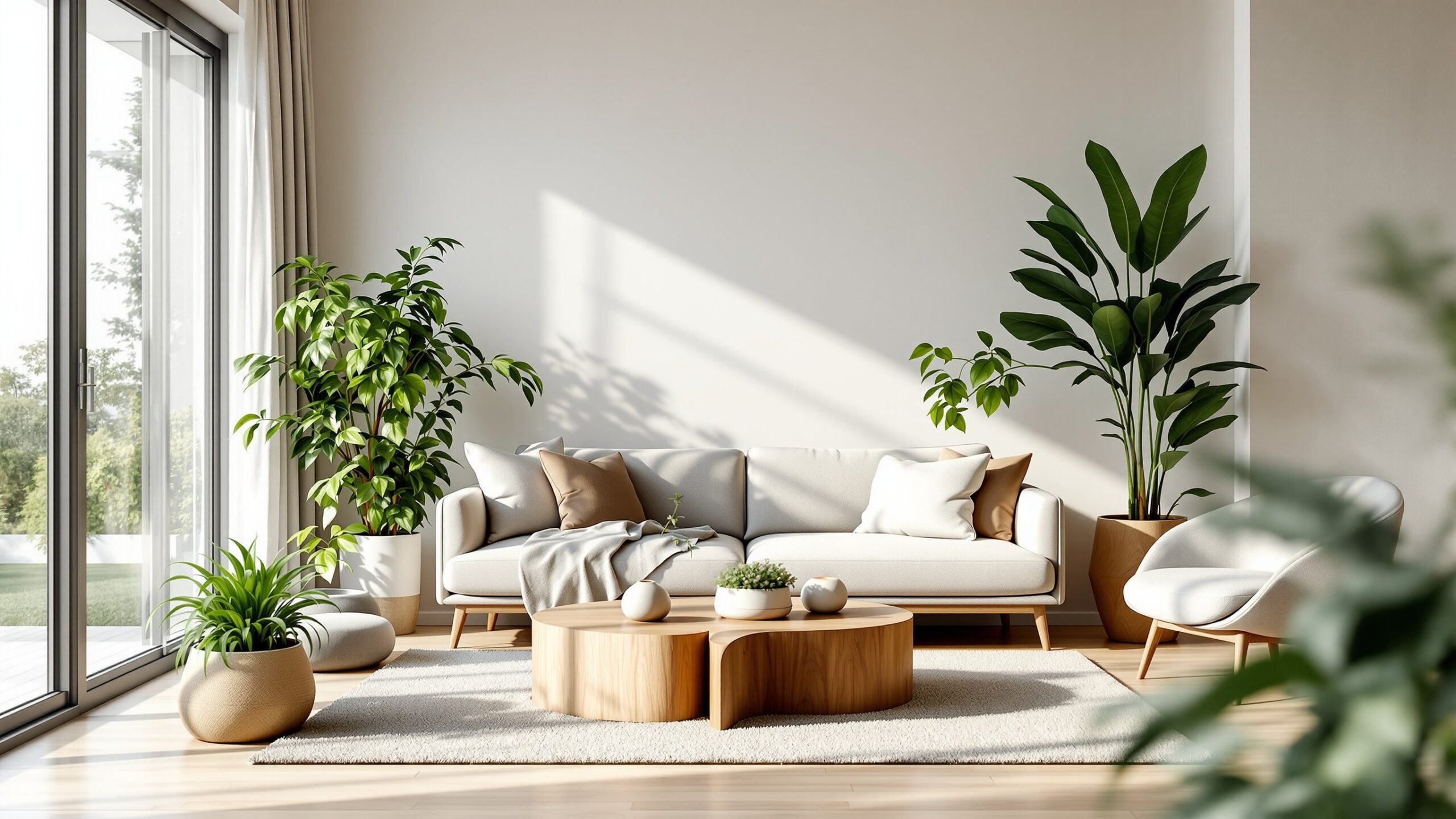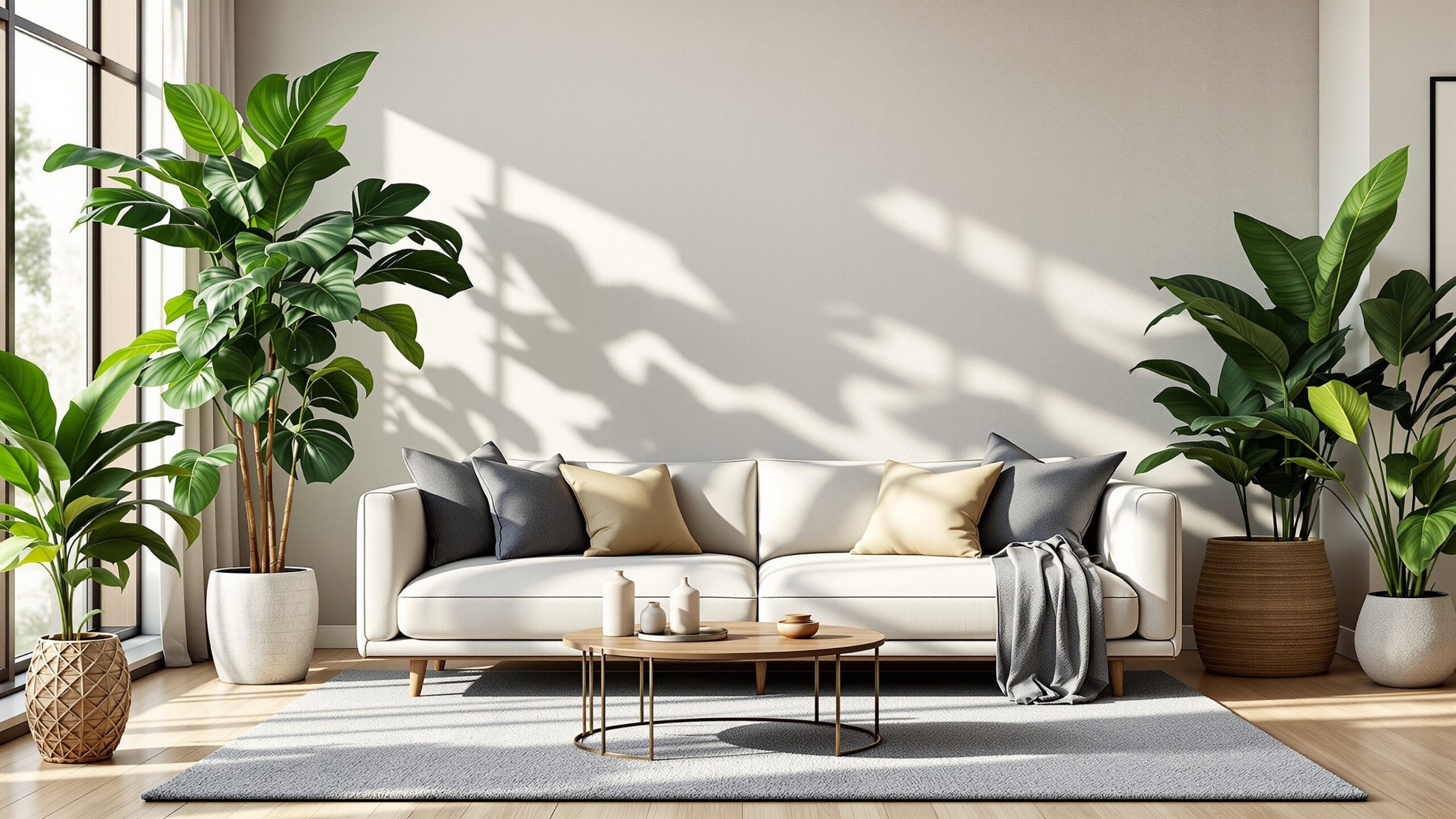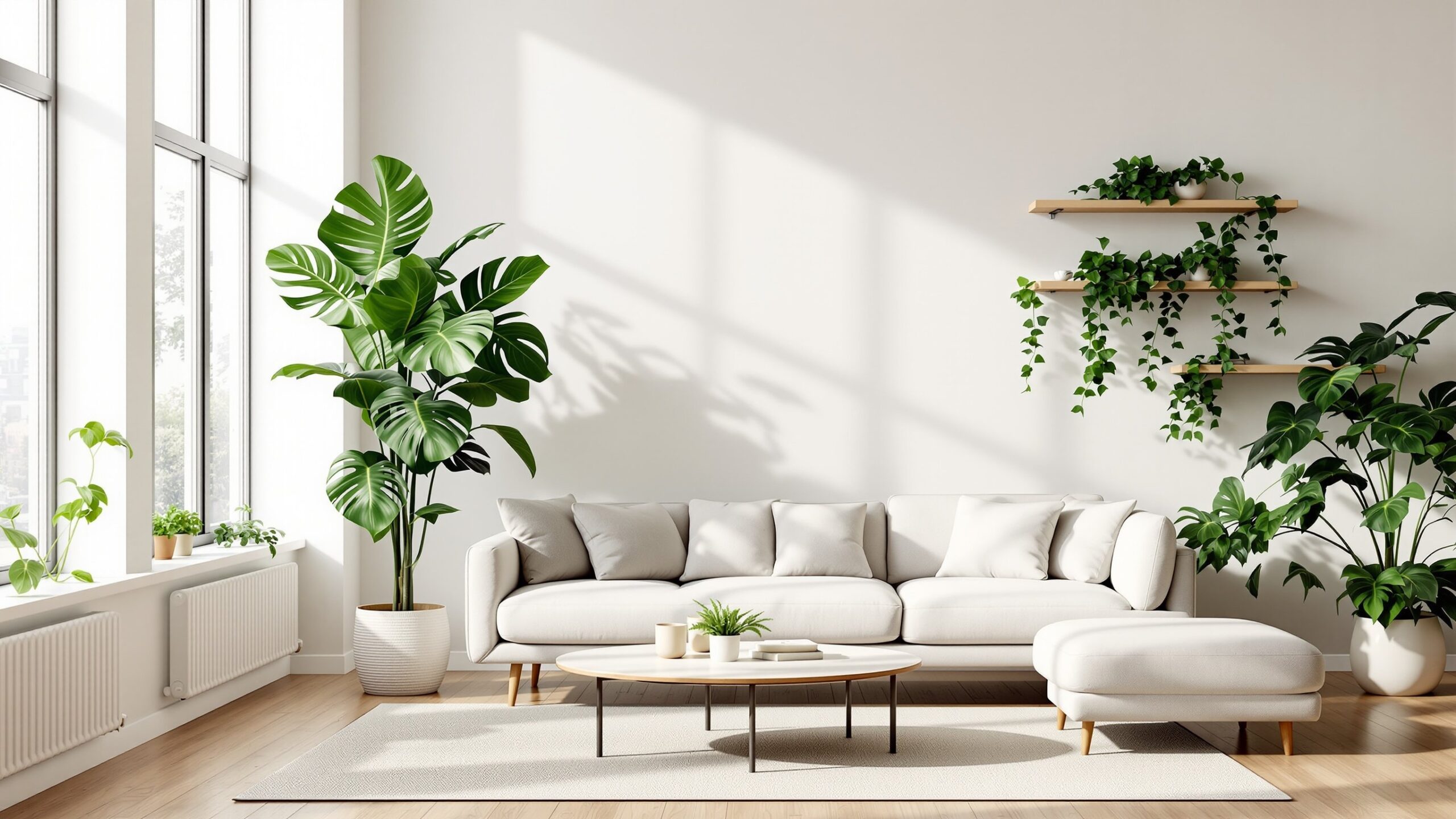
Indoor plants have become one of the most powerful design tools in modern living rooms. What once served primarily as decorative greenery has evolved into a central design element capable of shaping mood, defining space, and bringing life into a room. Designers frequently rely on plants to soften architecture, add depth, and introduce organic texture that contrasts beautifully with furniture, lighting, and décor. A thoughtfully styled plant arrangement can transform an ordinary living room into a vibrant, welcoming retreat. From towering statement trees to delicate trailing vines, plants add movement and natural color that no artificial accessory can replicate. Learning how designers style indoor plants allows homeowners to create a living room that feels curated, balanced, and visually inspiring. The secret is not simply placing plants around a room. Professional designers consider scale, placement, containers, lighting, and layering. When these elements come together, plants feel intentional rather than random. The result is a living room that feels alive, relaxed, and beautifully composed.
A: Enough to create balance without clutter—often three to seven well-placed plants works beautifully, depending on room size.
A: Tall varieties like rubber plants, bird of paradise, or fiddle leaf figs work well if the light supports them.
A: Yes, use vertical space, shelves, narrow stands, and a few compact plants instead of many large ones.
A: Not exactly, but they should feel coordinated in color, texture, or material for a cohesive look.
A: In empty corners, beside sofas, near windows, on consoles, and layered into shelves or built-ins.
A: Yes, especially in dark corners or high shelves, as long as they look realistic and are styled thoughtfully.
A: Limit the number of varieties, repeat finishes, and leave negative space around each arrangement.
A: Neutrals like white, black, terracotta, taupe, and natural woven tones are the easiest to style in most living rooms.
A: Absolutely—plants often add more life and texture than extra objects, especially in minimalist spaces.
A: Ignoring light conditions and overfilling the room instead of choosing fewer, healthier, better-placed plants.
Why Designers Use Plants as Core Living Room Elements
Interior designers rarely treat plants as afterthoughts. Instead, they often use greenery as foundational pieces that help anchor the room’s visual structure. Plants introduce shape and dimension that furniture alone cannot provide.
Large leafy plants such as fiddle leaf figs or rubber trees create vertical lines that draw the eye upward, making ceilings feel higher and spaces feel more open. Bushier plants fill empty corners and soften the edges of furniture arrangements. Trailing varieties add movement and break up rigid architectural lines.
Plants also provide natural color balance. Living rooms often rely heavily on neutral tones like white, beige, gray, or wood. Green foliage introduces a refreshing contrast that energizes the entire space without overwhelming it. This is why many designers say plants are one of the easiest ways to make a room feel professionally styled.
Beyond aesthetics, plants contribute to atmosphere. A living room filled with natural greenery feels calm, grounded, and inviting. Designers understand that great interiors appeal not just visually but emotionally. Plants help create that emotional warmth.
Choosing the Right Plants for Your Living Room
Not every plant belongs in every living room. Designers choose plants based on scale, lighting conditions, and the overall design style of the space. The goal is to select varieties that complement both the room and each other. Large statement plants are often the backbone of a plant-styled living room. A tall fiddle leaf fig, bird of paradise, or indoor palm instantly creates visual drama. These plants work well beside sofas, near windows, or in empty corners where vertical height is needed.
Medium-sized plants provide balance. Plants like monstera, snake plants, or philodendrons are perfect for filling gaps between furniture pieces. They add body without dominating the room.
Smaller plants are used to add detail. Designers often place them on shelves, coffee tables, or side tables. Pothos, succulents, and small ferns are popular choices because they bring greenery into smaller design moments. The most stylish living rooms often combine several plant sizes to create depth. This layering approach mimics nature and helps the room feel organic rather than staged.
Creating a Plant Focal Point
Professional designers rarely scatter plants randomly throughout a room. Instead, they create intentional focal points where greenery becomes a central visual feature. A statement plant is often placed near the seating area to anchor the space. A large tree-like plant beside a sofa or lounge chair can create the same visual impact as a piece of artwork. In some living rooms, designers even place a dramatic plant where a sculpture or decorative object might normally go.
Plant clusters are another popular focal point strategy. Grouping three to five plants together in varying heights creates a mini indoor garden that immediately draws attention. This arrangement works especially well near windows where natural light enhances the greenery. The key is balance. When a plant arrangement becomes a focal point, surrounding décor should remain relatively simple so the greenery can shine.
Styling Plants with Designer-Level Containers
The container holding a plant can dramatically influence how stylish it looks in a living room. Designers treat planters almost like furniture pieces because they contribute texture, color, and visual weight.
Neutral ceramic pots are often used in modern interiors because they feel clean and timeless. White, beige, and stone finishes allow the greenery to stand out while maintaining a sophisticated look. Natural materials like woven baskets or terracotta bring warmth and texture. These materials work beautifully in bohemian, coastal, or organic modern living rooms.
Metal planters add a more polished and contemporary feel. Brass, black steel, or brushed aluminum containers can make plants feel elevated and intentional.
Designers also pay attention to scale. A tall plant placed in a small pot can look awkward, while an oversized planter can overwhelm a delicate plant. Matching the container’s size and shape to the plant’s structure helps maintain visual harmony.
Using Plants to Fill Empty Corners
Empty corners are common challenges in living room design. Many homeowners struggle to find décor that fills these spaces without making them feel cluttered. Plants solve this problem beautifully. A tall plant instantly transforms a blank corner into a lush design feature. The organic shape softens the angle of the walls and makes the room feel more complete. Designers often use floor plants with sculptural leaves in corners because they create dramatic silhouettes. Plants like bird of paradise, kentia palms, or large monsteras work especially well. Sometimes designers layer plants in corners for a richer look. A tall plant might sit behind a smaller plant on a stand, creating depth and dimension. This layered approach mimics the look of a natural garden.
Styling Coffee Tables and Side Tables with Plants
While large plants create impact, smaller plants bring personality to surfaces like coffee tables and side tables. Designers often use plants as part of decorative tabletop arrangements.
A small potted plant can soften the edges of a coffee table while adding freshness to the space. Pairing a plant with books, candles, or decorative objects creates a balanced vignette.
Trailing plants are especially popular for shelves and tables because their cascading vines introduce movement. A pothos plant draping over the edge of a shelf instantly adds life to the room.
Designers typically keep tabletop plants relatively small so they do not block views across the room or interfere with conversation. The goal is to enhance the surface styling without overwhelming it.
Elevating Plants with Stands and Shelving
Plant stands and shelving allow designers to display plants at multiple heights. This vertical layering adds dimension and makes plant arrangements look intentional rather than accidental.
Mid-century modern plant stands are particularly popular because they elevate plants to eye level and create a sculptural effect. Raising plants also allows light to reach them more effectively in certain rooms.
Floating shelves can also become plant displays. Designers often place trailing plants on upper shelves so their vines cascade downward. This creates a lush, layered wall of greenery.
Bookcases provide another opportunity for creative plant styling. Mixing books, decorative objects, and small plants brings warmth and life to shelving units.
Designing a Living Room Plant Wall
One of the most dramatic ways designers use plants is by creating a living room plant wall. This concept involves arranging multiple plants across shelves, wall-mounted planters, or vertical garden systems. A plant wall instantly becomes the centerpiece of the room. The lush greenery adds texture, depth, and vibrant color that changes as the plants grow. Designers often mix different leaf shapes and sizes to create visual interest. Broad leaves contrast with delicate vines, while upright plants balance cascading ones. Lighting is crucial for plant walls. Placing the display near a bright window or installing grow lights ensures that the plants remain healthy while maintaining their visual impact.
Matching Plants to Your Living Room Style
Plants can adapt to almost any interior design style, but designers choose varieties and containers that complement the room’s aesthetic.
Modern living rooms often feature architectural plants like snake plants or rubber trees placed in sleek, minimal planters. The clean lines match the simplicity of modern design.
Bohemian spaces embrace a more relaxed approach. Hanging plants, woven baskets, and trailing vines create a lush, layered atmosphere.
Coastal living rooms typically use light, airy plants like palms or ferns paired with natural textures such as rattan or seagrass containers.
In traditional interiors, designers often use symmetrical plant arrangements on either side of fireplaces or large furniture pieces.
Matching the plant style to the room ensures the greenery feels integrated rather than out of place.
Using Plants to Improve Living Room Atmosphere
Beyond aesthetics, plants influence the emotional tone of a living room. Designers often use greenery to make spaces feel calmer, fresher, and more welcoming. The presence of plants connects indoor environments with nature. This connection can help reduce stress and create a sense of tranquility. Plants also soften rooms filled with hard surfaces like glass, metal, and wood. The organic shapes provide contrast that makes the space feel more balanced. Even a few well-placed plants can transform a living room from sterile to vibrant. The movement of leaves, subtle color variations, and evolving growth patterns add life to the space in a way static décor cannot.
Lighting Considerations for Living Room Plants
Light plays a major role in both plant health and visual presentation. Designers carefully place plants where they will receive appropriate lighting while enhancing the room’s design.
Bright windows are ideal for many tropical houseplants. Positioning larger plants near windows allows them to thrive while framing the natural light source.
Low-light areas may require more resilient plants such as snake plants or ZZ plants. These varieties tolerate shade while still maintaining attractive foliage.
In darker rooms, designers sometimes use grow lights disguised within floor lamps or shelving systems. This ensures plants remain healthy without disrupting the aesthetic of the living room.
Avoiding Common Indoor Plant Styling Mistakes
While plants can elevate a living room, certain mistakes can make arrangements feel cluttered or unbalanced.
One common error is overcrowding the room with too many plants. Designers prefer curated selections rather than overwhelming displays. Each plant should have space to be appreciated.
Another mistake is ignoring scale. Tiny plants scattered throughout a large room may look insignificant. Similarly, oversized plants in small spaces can feel overwhelming.
Using mismatched containers can also create visual chaos. Designers typically choose planters that share similar tones or materials so the arrangement feels cohesive.
Maintaining healthy plants is equally important. Wilted leaves or neglected greenery can quickly diminish the beauty of a living room.
The Designer’s Secret: Balance and Intentionality
The difference between casual plant placement and designer-level styling lies in intentionality. Designers consider every plant’s role within the room’s composition. They think about balance between furniture and greenery, the relationship between plant heights, and how foliage interacts with light. Plants become part of the architectural flow of the room rather than decorative afterthoughts. When styled thoughtfully, plants create rhythm across the living room. Tall plants anchor corners, medium plants support furniture groupings, and smaller plants bring detail to surfaces. This layered approach creates a living room that feels dynamic yet harmonious.
Bringing Life Into Your Living Room
Styling indoor plants like a designer is not about filling every corner with greenery. It is about creating thoughtful arrangements that enhance the architecture and personality of the room.
By selecting the right plants, pairing them with beautiful containers, and placing them strategically throughout the living room, anyone can achieve a professional look. Plants introduce color, texture, and vitality that elevate a space beyond simple decoration.
The most memorable living rooms are those that feel alive. Leaves catch the light, vines cascade from shelves, and tall greenery frames cozy seating areas. When plants are styled with intention, they become more than accessories—they become the soul of the room.
With the right approach, indoor plants can transform an ordinary living room into a lush, designer-inspired sanctuary where comfort, beauty, and nature come together seamlessly.