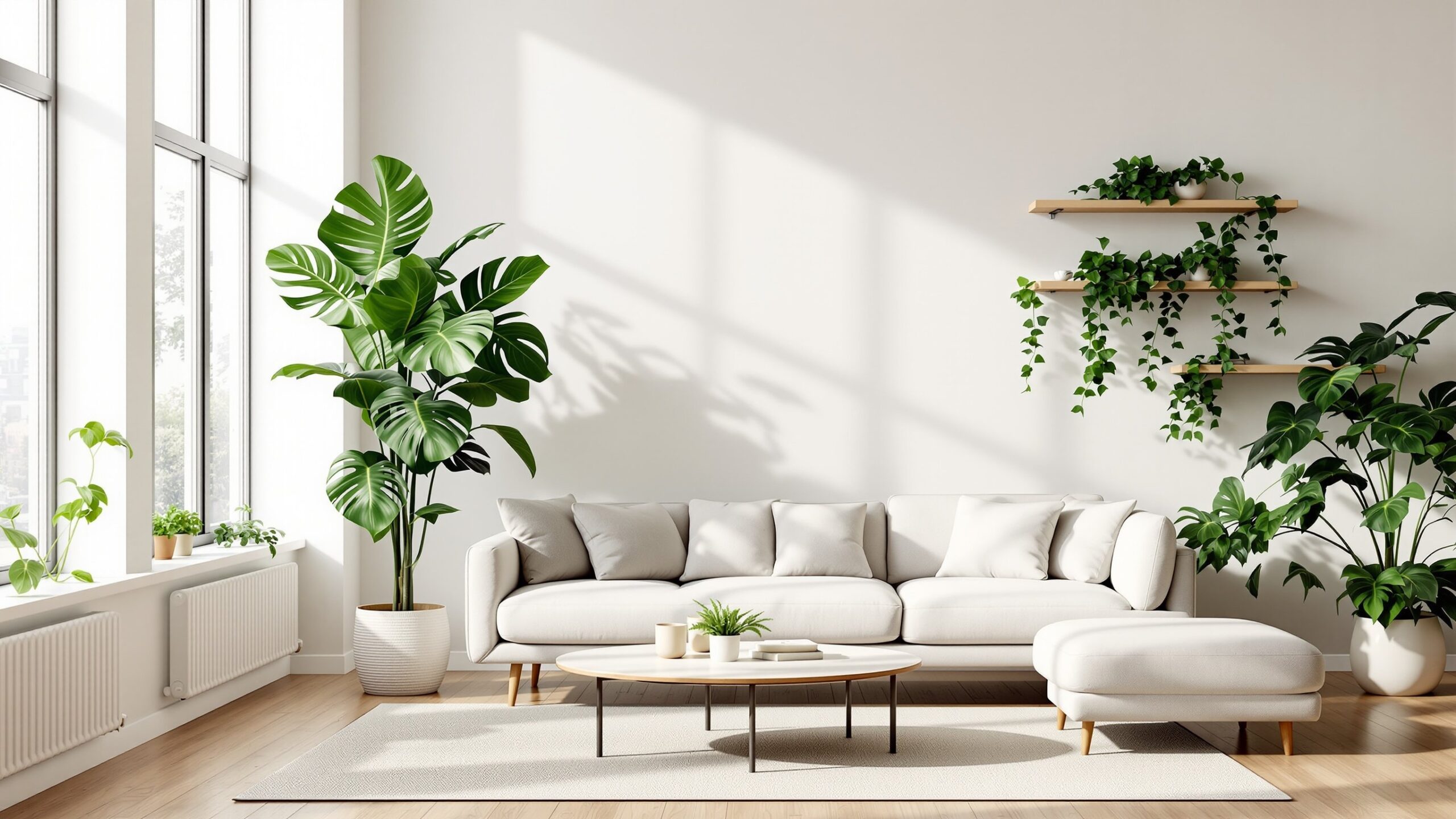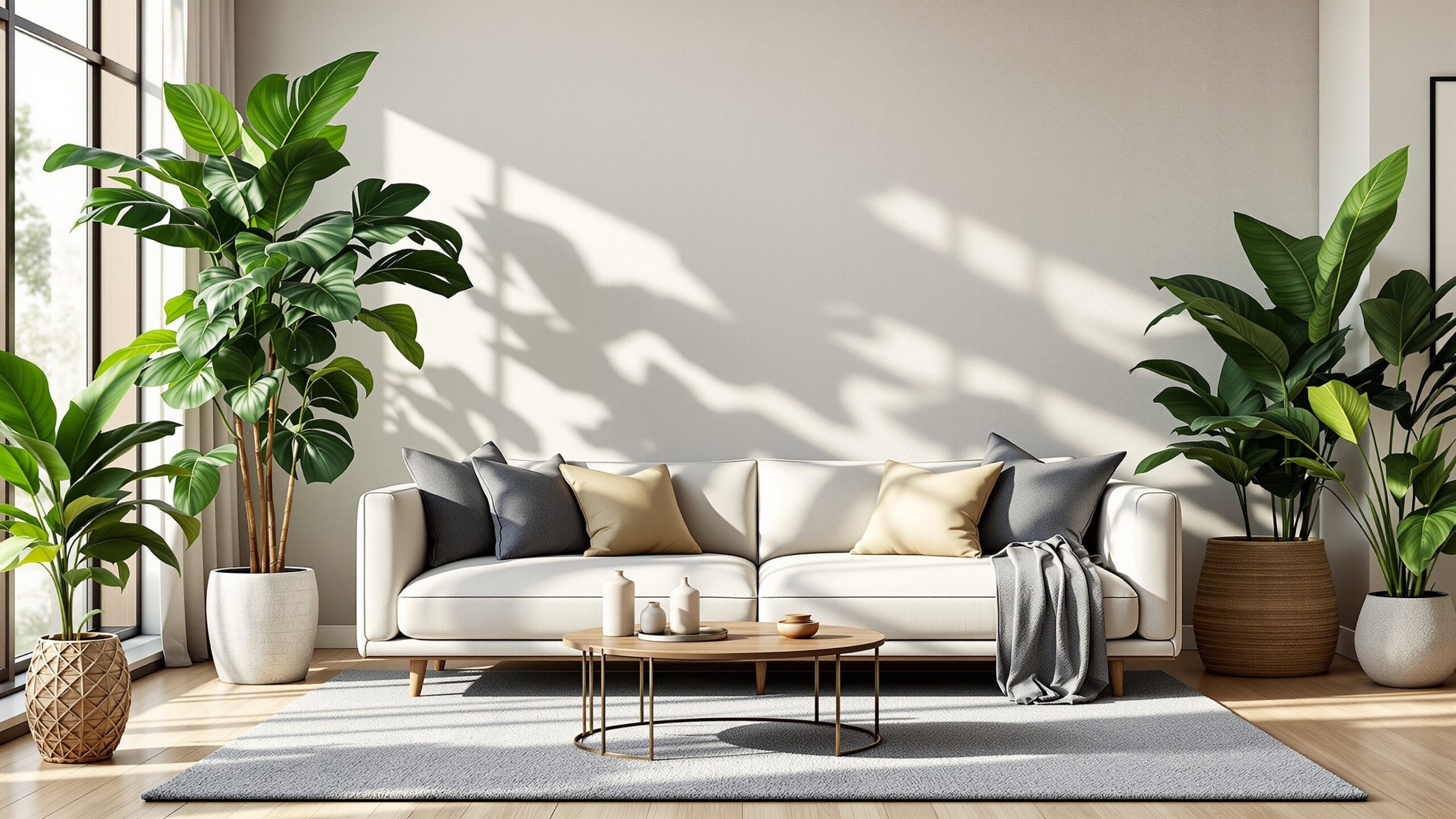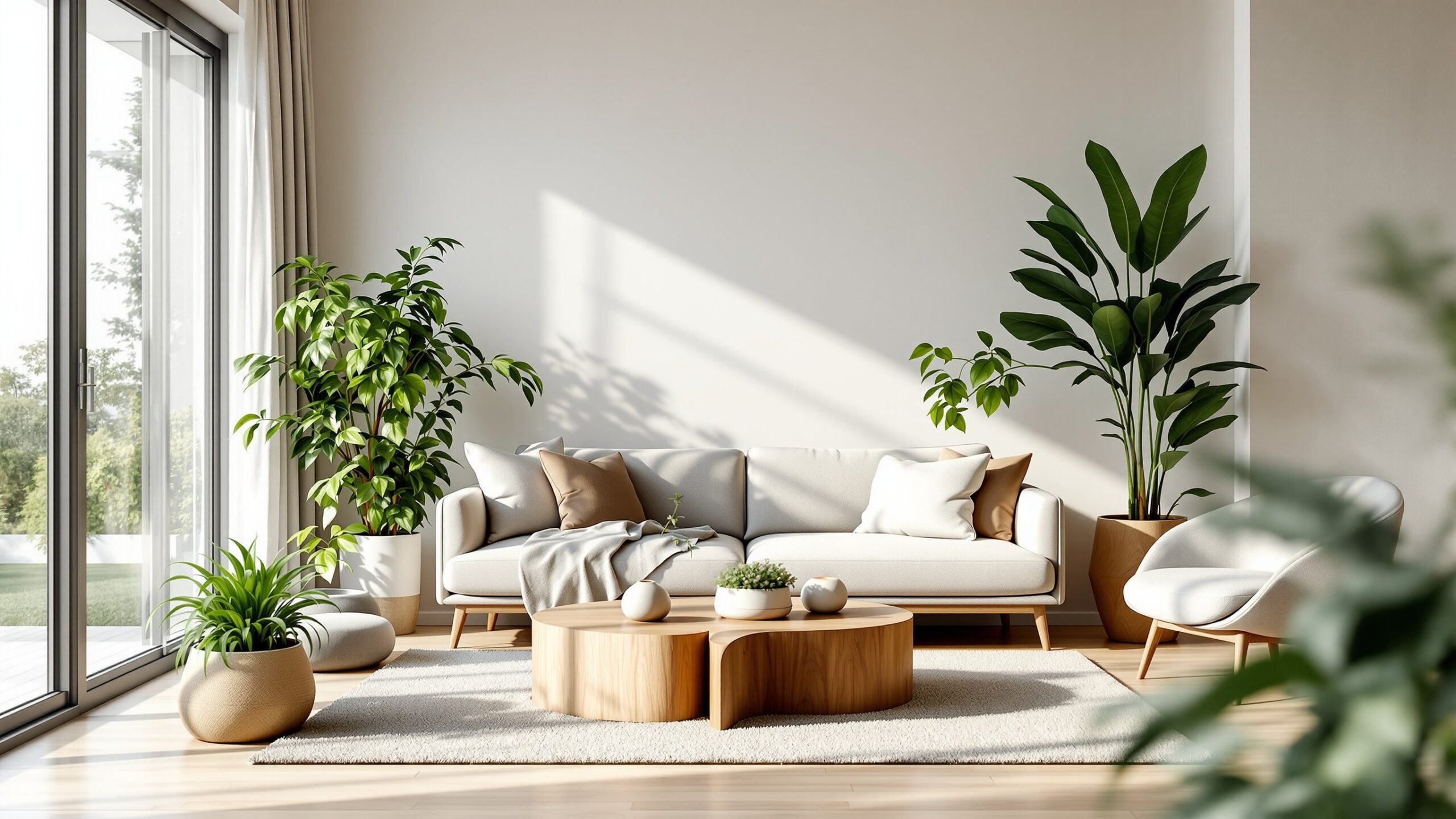
Modern life moves quickly. Between work, family, errands, and the constant buzz of digital communication, many households simply do not have time for complicated routines—especially when it comes to plant care. Yet the desire for beautiful, welcoming living spaces has never been stronger. Indoor plants offer a simple solution. They bring warmth, natural texture, and life into a room while also improving mood and atmosphere. Low-maintenance living room plants have become especially popular because they combine the visual beauty of greenery with the practicality busy households need. These plants require minimal watering, tolerate imperfect lighting, and remain healthy even when care routines are not perfectly consistent. In other words, they work with your lifestyle instead of demanding that you reorganize your schedule. For homeowners and apartment dwellers alike, incorporating low-maintenance plants into a living room can transform the space. A carefully placed plant softens furniture lines, complements décor, and introduces a sense of calm that artificial decorations simply cannot replicate. Best of all, many hardy indoor plants thrive even when occasionally forgotten, making them ideal for families, professionals, and anyone who loves greenery but prefers a low-effort approach to plant care.
A: Snake plant and ZZ plant are two of the easiest because they tolerate missed waterings and varied light.
A: Check weekly, but water only when the soil has dried enough for that specific plant.
A: ZZ plant, cast iron plant, and some Chinese evergreens are strong choices for dimmer living rooms.
A: Yellowing often points to overwatering, poor drainage, or a pot that stays wet too long.
A: Yes, drainage helps prevent root rot and makes plant care much easier to manage.
A: It is better to avoid direct hot or cold airflow because it can dry the plant unevenly.
A: Choose drought-tolerant plants like snake plant, pothos, or ZZ plant and avoid thirstier varieties.
A: Repot when roots circle heavily, water runs through too fast, or growth seems stalled.
A: Absolutely—many of the most designer-friendly plants are also some of the easiest to care for.
A: Giving plants too much attention, especially too much water, instead of choosing the right plant and letting it settle in.
The Benefits of Adding Plants to Your Living Room
Indoor plants do more than decorate a space. They subtly influence how a room feels, functions, and even how people experience time within it. A living room filled with thoughtfully placed greenery often feels more welcoming and relaxed.
Plants help create visual balance. Living rooms tend to contain many hard surfaces such as tables, shelving, electronics, and framed art. Plants introduce softness through organic shapes, leaves, and natural colors. This contrast makes the room feel layered and comfortable.
They also help create a sense of vitality. Even a single plant adds movement and life to a room. Leaves shift toward sunlight, new growth emerges, and the presence of living elements makes a space feel more dynamic and less static.
For busy households, plants also provide psychological benefits. Studies repeatedly show that natural elements in indoor environments help reduce stress and improve focus. A living room filled with greenery can become a subtle refuge from busy schedules, offering a calm place to unwind at the end of the day.
What Makes a Plant Truly Low Maintenance
Not all plants are equal when it comes to ease of care. Some species demand constant attention, specialized humidity levels, or precise watering schedules. Others are remarkably forgiving.
Low-maintenance plants share several important traits. First, they tolerate irregular watering. Busy households sometimes forget to water plants for days or even weeks. Hardy plants are able to store moisture in their leaves or roots, allowing them to survive these lapses without damage.
Second, they adapt to different lighting conditions. Living rooms often have varied light levels depending on window placement, furniture layout, and seasonal changes. Low-maintenance plants can thrive in bright light but also tolerate partial shade.
Third, these plants resist common household challenges such as temperature fluctuations, dry indoor air, and occasional neglect. Many hardy species evolved in environments where water and light conditions varied naturally, which makes them especially resilient indoors.
Choosing plants with these characteristics ensures that your living room greenery remains vibrant without demanding constant attention.
Snake Plant: The Champion of Low-Maintenance Greenery
Among all indoor plants, the snake plant has earned a reputation as one of the easiest to care for. With tall, upright leaves and striking patterns, it creates an architectural look that fits both modern and traditional living rooms.
Snake plants tolerate low light, irregular watering, and dry indoor air better than almost any other houseplant. In fact, overwatering is usually the biggest risk. These plants prefer to dry out completely between waterings, which means busy households can safely forget about them for weeks at a time.
In design terms, snake plants are extremely versatile. A tall specimen in a floor planter can anchor a corner of the room, while smaller varieties work beautifully on shelves or side tables. Their sculptural shape adds visual height without overwhelming the space.
Because they require so little attention, snake plants are often recommended for beginners or anyone seeking a plant that practically cares for itself.
ZZ Plant: The Ultimate Forget-About-It Plant
The ZZ plant has become one of the most beloved low-maintenance houseplants in recent years. Its glossy leaves grow along sturdy stems, creating a lush, polished appearance that looks almost artificial.
Despite its elegant look, the ZZ plant is remarkably resilient. It thrives in low light, tolerates irregular watering, and adapts well to indoor environments with minimal humidity. Its thick underground rhizomes store water, allowing the plant to survive extended periods without care.
For busy households, this plant is close to ideal. Watering once every two or three weeks is often sufficient. Even if forgotten for longer, the plant usually rebounds quickly.
In living room design, ZZ plants bring a refined sense of greenery. Their symmetrical structure complements modern furniture and minimalist décor, while their rich green color contrasts beautifully with neutral interiors.
Pothos: The Cascading Classic
Pothos plants are beloved for their trailing vines and heart-shaped leaves. They grow quickly, adapt easily, and require very little maintenance. One of the most appealing features of pothos is its versatility in styling. The vines can cascade from shelves, hang from ceiling planters, or trail across bookcases. This makes pothos perfect for adding greenery at different levels throughout a living room.
Pothos plants tolerate low light and inconsistent watering, making them especially forgiving for busy households. Their leaves often develop attractive variegation patterns, adding visual interest without requiring special care.
Because pothos grows rapidly, occasional trimming keeps the plant looking neat while encouraging fuller growth. Even these trimmings can be placed in water to propagate new plants, making pothos one of the easiest ways to expand an indoor plant collection.
Cast Iron Plant: Built for Tough Conditions
The cast iron plant lives up to its name. Known for its remarkable durability, this plant can tolerate conditions that would challenge many other houseplants.
Originally native to forest floors, cast iron plants thrive in low light and cooler temperatures. They are also resistant to drought and can survive occasional neglect without difficulty.
In living room settings, the plant’s long, dark green leaves create a calm, elegant appearance. It works well in corners, beside sofas, or near entryways where light levels may fluctuate.
For busy households that cannot maintain strict plant care routines, the cast iron plant provides reliability. Its slow growth means it rarely needs repotting, pruning, or frequent watering.
Spider Plant: Friendly, Fast-Growing, and Forgiving
Spider plants have been popular indoor plants for decades, and for good reason. Their arching leaves and playful offshoots give them a lively appearance while requiring very little maintenance.
These plants adapt well to different lighting conditions and tolerate occasional missed watering. They also produce small plantlets that hang from the mother plant, creating a cascading display that adds movement and interest.
In a living room, spider plants look especially attractive in hanging baskets or elevated planters. Their leaves spill downward in graceful arcs, softening the lines of shelving units or window frames.
Because spider plants grow quickly, they are satisfying for plant owners who enjoy seeing visible growth without investing large amounts of time in care.
Rubber Plant: A Bold Statement with Minimal Effort
Rubber plants offer a dramatic visual presence while still being relatively easy to maintain. Their large, glossy leaves create a bold focal point in living room spaces. These plants prefer bright, indirect light but can adapt to moderate conditions. Watering every one to two weeks is usually sufficient, making them manageable even for busy households. Rubber plants can grow tall over time, eventually becoming small indoor trees. This makes them perfect for filling empty corners or framing seating areas. Their deep green leaves add contrast against light walls and modern furniture. With occasional dusting of their broad leaves and simple watering routines, rubber plants remain one of the most attractive low-maintenance options for living room décor.
Peace Lily: Beauty with Simple Care
Peace lilies bring a softer aesthetic to living rooms with their elegant white flowers and lush green leaves. While they may appear delicate, they are surprisingly easy to care for.
These plants thrive in moderate to low light and require watering roughly once a week. One helpful trait is that peace lilies visibly droop when they need water, providing a natural reminder for busy plant owners.
Peace lilies work beautifully in decorative planters placed beside sofas, chairs, or coffee tables. Their graceful foliage adds texture and depth to living room arrangements.
Beyond their visual appeal, peace lilies contribute to the overall sense of calm that indoor plants provide, making them a popular choice for relaxed living spaces.
Styling Plants in a Busy Household Living Room
Choosing low-maintenance plants is only part of the equation. Thoughtful placement enhances both the health of the plants and the overall design of the living room. Corners are ideal locations for larger plants such as rubber plants or snake plants. These spaces often need visual height, and tall greenery fills the gap naturally.
Shelves and bookcases provide opportunities for smaller plants like pothos or spider plants. Trailing vines add movement and break up the rigid lines of furniture. Coffee tables and side tables can support compact plants that create focal points without overwhelming the space. When combined with decorative planters, even a single plant can elevate the design of an entire room.
Busy households benefit from strategic placement. Keeping plants within easy reach makes watering simpler and ensures they remain part of everyday routines.
Simple Plant Care Tips for Busy Schedules
Even low-maintenance plants benefit from basic care habits. The key is creating a simple routine that fits naturally into your lifestyle.
Watering plants on the same day each week helps establish consistency. Many homeowners choose weekends when they have a few extra minutes to check soil moisture.
Grouping plants together also simplifies care. When plants are arranged in small clusters, watering and monitoring them becomes faster and more efficient.
Using well-draining soil and appropriate planters prevents common issues like root rot. Good drainage allows plants to dry out naturally between waterings, which many hardy species prefer.
Finally, occasional rotation of plants ensures that all sides receive balanced light. This helps maintain symmetrical growth and keeps plants looking healthy.
Creating a Relaxing Green Living Room Environment
Low-maintenance plants contribute to more than just décor. They help shape the atmosphere of a room.
Living rooms are often the central gathering space in a home. Families relax there, guests visit, and quiet evenings unfold after busy days. Plants introduce a natural calmness that softens the pace of daily life.
A thoughtfully styled plant arrangement can turn an ordinary living room into a tranquil retreat. Tall plants frame seating areas, trailing vines soften shelves, and clusters of greenery add depth to corners.
The result is a living space that feels more connected to nature, even in the middle of a busy household routine.
Bringing Nature into Everyday Living
Low-maintenance living room plants offer the perfect balance between beauty and practicality. They allow homeowners to enjoy the benefits of indoor greenery without the pressure of demanding care routines. From the resilient snake plant to the cascading charm of pothos, many plants thrive with minimal attention. These species adapt to varying light levels, tolerate occasional neglect, and continue to grow gracefully in the background of everyday life.
For busy households, this combination is ideal. Plants bring warmth, texture, and vitality to living rooms while requiring only simple care habits. By choosing hardy species and placing them thoughtfully within the room, anyone can create a welcoming living space filled with natural energy. Even the busiest homes can enjoy the calming presence of plants that quietly transform ordinary living rooms into vibrant, living environments.