Designing a living room that feels fresh, inviting, and stylish throughout the year doesn’t require constant redecorating or a complete overhaul every season. The secret lies in creating a flexible foundation—one that evolves effortlessly with subtle changes rather than dramatic transformations. When done right, your living space becomes a dynamic environment that adapts to shifting moods, temperatures, and occasions without ever feeling outdated or overdone. This guide explores how to build a living room that thrives year-round, blending timeless design with seasonal adaptability. Whether you’re aiming for cozy winter warmth, breezy summer brightness, or something in between, these ideas will help you create a space that always feels right.
A: Focus on pillows, throws, greenery, candles, and tabletop accents that are easy to rotate.
A: Neutrals like beige, ivory, taupe, gray, and warm wood tones create a flexible base for every season.
A: Add layered textures, warm lighting, and natural materials instead of heavy holiday-themed pieces.
A: Start with the sofa, coffee table, and mantel or media console for the quickest visible update.
A: Not exactly, but repeating a few colors or textures throughout the home creates a cohesive feel.
A: If surfaces feel crowded or your main furniture disappears visually, it is time to scale back.
A: Yes, especially high-quality faux greenery that adds shape and color without demanding maintenance.
A: Use lighter fabrics, fresh greenery, glass accents, and airy layers instead of removing too much.
A: Rich texture, warm lighting, earthy tones, and natural elements usually feel more refined than novelty items.
A: A simple update every few months is enough, with small tweaks in between as your mood or weather changes.
Build a Timeless Foundation First
Before layering in seasonal elements, the most important step is establishing a neutral, versatile base. Think of your living room as a canvas. If the core design is too specific to one season—like heavy winter tones or bright summer palettes—it becomes difficult to transition smoothly throughout the year.
Opt for foundational pieces in neutral shades such as warm whites, soft grays, taupes, or muted earth tones. These colors provide a calm backdrop that works equally well with autumnal accents or spring-inspired decor. Furniture should lean toward classic silhouettes rather than overly trendy designs, ensuring longevity and flexibility.
Materials also play a crucial role. Natural textures like wood, linen, cotton, and stone offer year-round appeal. A light oak coffee table, a neutral fabric sofa, and woven baskets create a balanced base that doesn’t feel tied to any specific season. This approach allows you to swap out smaller elements—like pillows or throws—without clashing with your core design.
Master the Art of Layering Textiles
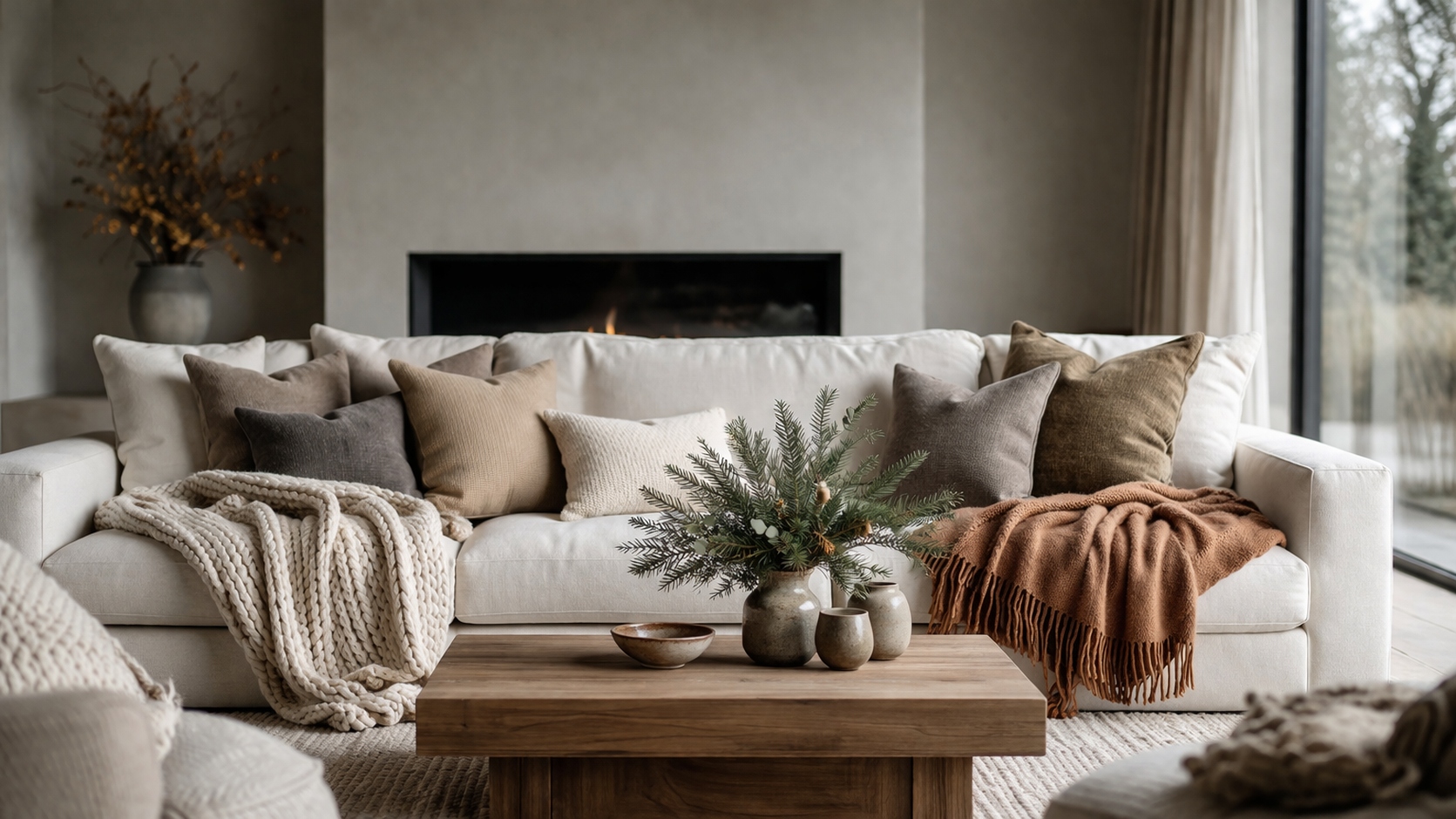
Textiles are one of the easiest and most effective ways to adapt your living room to the seasons without major effort. By rotating fabrics and textures, you can dramatically shift the mood of your space. During colder months, heavier materials like wool, velvet, and chunky knits introduce warmth and coziness. A thick throw draped over the sofa or plush cushions in deeper hues can instantly make the room feel more inviting. As the weather warms up, switch to lighter fabrics such as linen and cotton. These breathable materials create an airy, relaxed atmosphere perfect for spring and summer. The key is to keep your base pieces consistent while rotating accents. Your sofa remains the same, but your cushions evolve. Your rug stays in place, but you might layer a lighter one on top during warmer months. This strategy minimizes effort while maximizing visual impact.
Use Color as a Seasonal Signal
Color is one of the most powerful tools in seasonal decor. Even subtle shifts can completely transform the feel of a room.
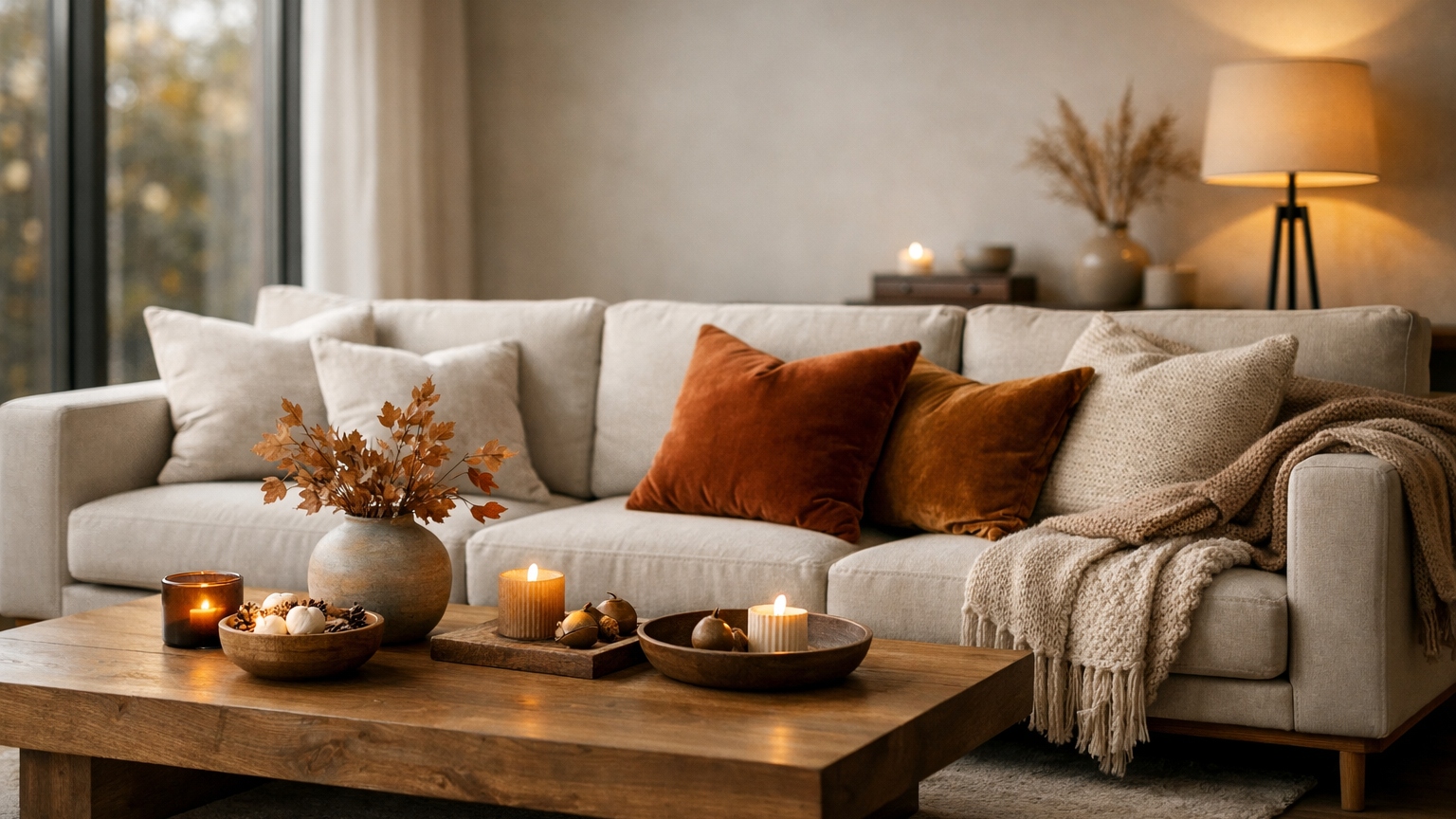
In fall and winter, deeper tones like rust, forest green, navy, and burgundy create a sense of warmth and intimacy. These colors pair beautifully with dimmer lighting and textured fabrics. In contrast, spring and summer call for lighter, brighter hues—think soft pastels, crisp whites, and gentle blues that reflect natural light and evoke a sense of freshness.
Rather than repainting walls or replacing large furniture pieces, introduce seasonal color through smaller elements. Pillows, throws, artwork, and decorative objects are perfect for this purpose. This approach allows you to experiment with trends and seasonal palettes without committing long-term.
A well-balanced living room doesn’t abandon its identity with each season. Instead, it subtly shifts its tone, like a well-composed piece of music transitioning between movements.
Incorporate Nature All Year Long
Bringing natural elements into your living room is a timeless strategy that adapts beautifully to every season. The key is to vary what you display based on what’s available and appropriate throughout the year.
In spring, fresh flowers and budding branches add life and color. Summer invites lush greenery and tropical plants that thrive in bright light. As fall arrives, dried arrangements, pampas grass, and branches with changing leaves introduce texture and warmth. Winter calls for evergreens, pinecones, and simple arrangements that feel serene and grounded.
Natural materials can also be incorporated through decor pieces like wooden bowls, stone accents, and woven baskets. These elements create continuity across seasons while allowing for subtle variation. This approach not only enhances aesthetics but also fosters a connection to the outdoors, making your living room feel more alive and responsive to the world beyond your walls.
Lighting: The Unsung Seasonal Hero
Lighting is often overlooked, yet it plays a crucial role in how a living room feels throughout the year. As daylight hours change, your lighting strategy should evolve accordingly.
In darker months, layering warm lighting sources is essential. Table lamps, floor lamps, and soft ambient lighting create a cozy, inviting atmosphere. Warm-toned bulbs enhance this effect, making the space feel more intimate and comfortable.
During brighter seasons, take advantage of natural light. Sheer curtains or light-filtering shades allow sunlight to fill the room, creating an open and uplifting environment. You may find yourself using artificial lighting less, or opting for cooler, brighter bulbs that complement the natural brightness.
Candles and decorative lighting can also shift with the seasons. In winter, they add warmth and glow. In summer, they can be used sparingly for ambiance during evenings. A thoughtful lighting plan ensures your living room feels balanced and welcoming, no matter the time of year.
Rotate Accessories Instead of Redesigning
One of the biggest misconceptions about seasonal decor is that it requires constant reinvention. In reality, small, intentional changes can have a significant impact.
Instead of replacing large items, focus on rotating accessories. Swap out decorative trays, vases, books, and small sculptures to reflect the current season. Even changing the arrangement of existing items can refresh the space.
Artwork is another powerful tool. Consider rotating prints or photographs to match seasonal themes. A landscape with warm tones might suit autumn, while a bright coastal scene feels perfect for summer. This approach not only saves time and money but also keeps your living room feeling curated and intentional rather than cluttered or overdesigned.
Embrace Multi-Season Decor Pieces
Investing in decor that works across multiple seasons is a smart and sustainable strategy. Look for items that are versatile in both style and function. Neutral ceramic vases, for example, can hold fresh flowers in spring, greenery in summer, dried arrangements in fall, and evergreen branches in winter. A simple wooden tray can display seasonal accents throughout the year without ever feeling out of place.
Textured rugs in neutral tones provide warmth in winter while still feeling appropriate in summer. Similarly, woven baskets can store cozy blankets during colder months and serve as decorative storage year-round. By choosing pieces that adapt rather than expire with each season, you create a living room that evolves naturally without requiring constant updates.
Balance Minimalism with Personality
A year-round living room should feel both adaptable and personal. Striking the right balance between minimalism and character is essential.
Too many seasonal decorations can make the space feel cluttered and overwhelming. On the other hand, an overly minimal approach may lack warmth and individuality. The goal is to curate a space that feels intentional, with each item serving a purpose.
Focus on a few key accents that define the season while maintaining a consistent overall aesthetic. This ensures your living room feels cohesive rather than chaotic.
Personal touches, such as books, meaningful objects, and artwork, anchor the space and provide continuity. These elements remain constant even as seasonal accents change, creating a sense of stability and identity.
Create Flexible Layouts
Furniture arrangement can also influence how your living room adapts to the seasons. A flexible layout allows you to make subtle adjustments that enhance comfort and functionality.
In winter, you might arrange seating closer together to create a cozy, intimate setting. Adding a soft rug or extra seating can enhance this effect. In summer, opening up the space and allowing for better airflow creates a lighter, more relaxed atmosphere.
Modular furniture or lightweight pieces make it easier to experiment with different layouts. Even small changes, like repositioning a chair or adding a side table, can refresh the room without requiring new purchases.
This flexibility ensures your living room remains functional and comfortable throughout the year.
Keep Storage Smart and Stylish
Seasonal decor often comes with the challenge of storage. Having a system in place makes it easier to rotate items without creating clutter. Use stylish storage solutions that blend seamlessly with your decor. Baskets, storage ottomans, and built-in shelving can house seasonal items while remaining visually appealing.
Organizing decor by season and keeping it easily accessible encourages you to make updates more frequently. When swapping items becomes effortless, you’re more likely to maintain a fresh and dynamic living space.
Scent and Atmosphere Matter Too
While visual elements are important, scent plays a powerful role in how a space feels. Incorporating seasonal fragrances can enhance the overall atmosphere of your living room.
Warm, spicy scents like cinnamon and vanilla evoke comfort during colder months, while fresh, citrusy fragrances bring energy and brightness in warmer seasons. Diffusers, candles, and natural elements like herbs or flowers can all contribute to this sensory experience.
Sound and ambiance also play a role. Soft background music, open windows, or even the subtle crackle of a fireplace can transform the mood of your living room, making it feel aligned with the season.
The Power of Subtle Transitions
One of the most effective strategies for year-round decor is embracing gradual transitions. Instead of making abrupt changes, allow your living room to evolve naturally.
As winter fades, introduce lighter textures and brighter colors incrementally. When summer ends, begin layering in warmer tones and cozier materials. This approach creates a seamless flow between seasons, avoiding the jarring effect of sudden changes.
Your living room becomes a reflection of the passing year, shifting gently in response to the environment rather than reacting dramatically.
A Living Room That Lives With You
A well-designed living room doesn’t just look good—it adapts, evolves, and responds to the rhythms of everyday life. By focusing on a neutral foundation, versatile decor, and thoughtful seasonal updates, you can create a space that feels fresh and relevant all year long.
The goal isn’t perfection or constant change, but rather balance and intention. With the right approach, your living room becomes more than just a place to sit—it becomes a living, breathing extension of your home, reflecting both the seasons and your personal style.
When you design with flexibility in mind, every season feels like it belongs.